

Symptoms
Vaginal moisturizer: how to choose and use the right one

Zineb Sadki
Editorial writing, Santelle
Vaginal dryness affects far more women than you might think, at every stage of life.
Itching, tightness, and discomfort during sex are not something you just have to live with, nor should they be a taboo subject.
Today, simple and effective solutions are available, once you understand what a vaginal moisturizer is, how it differs from a lubricant, and how to use it correctly.
What is a vaginal moisturizer?
A vaginal moisturizer is a product designed to restore and maintain natural moisture in the vaginal tissues.
Contrary to popular belief, it is not just used during sex. Instead, it is used regularly as a routine treatment to restore long-term comfort.
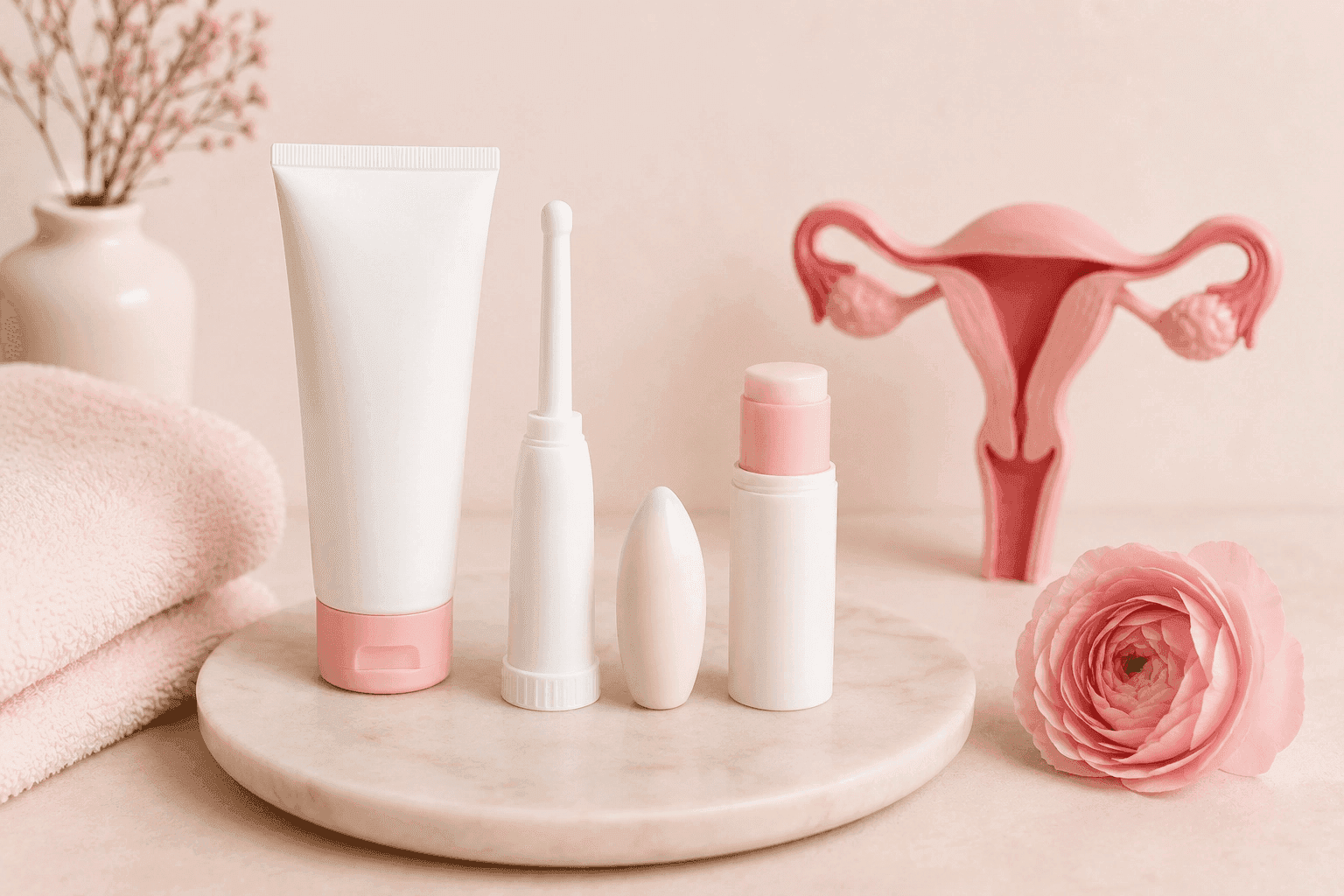
It comes in several different forms:
Gels, which can be applied inside the vagina (using an applicator) or externally on the vulva
Vaginal suppositories (ovules), which are solid at room temperature and melt gradually with body heat to release moisturizing ingredients over time
Creams, which are mostly designed for external use on the vulva
Sticks, which are handy for quick and targeted application
The main active ingredient found in the most popular formulas is hyaluronic acid.
This molecule is naturally present in our body tissues and is excellent at holding onto water, which helps it hydrate, soothe, and repair the vaginal lining.
Some formulas also include lactic acid to help maintain a healthy pH balance, or probiotics and prebiotics to support a healthy vaginal microbiome.
What causes vaginal dryness?
Vaginal dryness can happen for several reasons, and understanding the cause can help you choose the right solution:
Menopause and perimenopause: A drop in estrogen levels thins the vaginal lining and reduces natural lubrication. This is the most common cause.
Postpartum and breastfeeding, when hormone levels temporarily drop.
Certain medications: Antidepressants, hormonal cancer treatments, chemotherapy, or radiation therapy can affect natural lubrication.
Stress, which can affect hormone levels and blood flow to the pelvic area.
Harsh intimate hygiene habits: Using harsh soaps, douching, or wearing synthetic underwear can disrupt your natural balance and irritate the area.
Common symptoms include itching, burning services, irritation, and discomfort or pain during sex.
Vaginal moisturizer vs. lubricant: What is the difference?
These two products are often confused, but they serve different purposes:
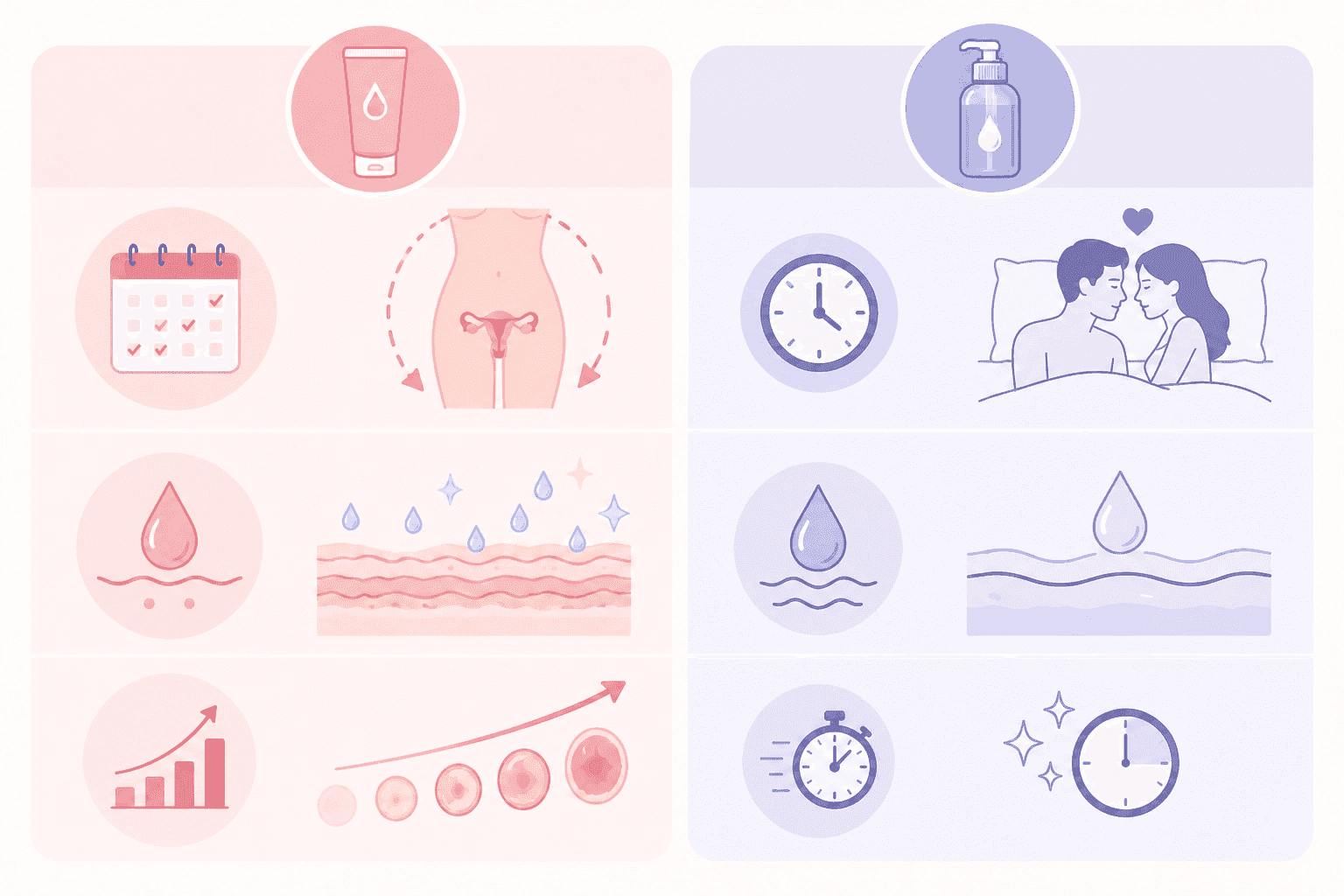
A vaginal moisturizer helps restore moisture to the vaginal lining and provides ongoing relief from daily dryness.
A personal lubricant, on the other hand, is used specifically during sex to reduce friction and make intercourse more comfortable.
In short, a moisturizer treats dryness over time, while a lubricant offers quick, temporary relief.
You do not have to choose just one: if you experience ongoing dryness, you can use a moisturizer as part of your regular routine and use a lubricant during sex for extra comfort.
Vaginal Moisturizer | Personal Lubricant | |
|---|---|---|
How to use | Regularly, as a routine treatment (every 2-3 days) | As needed, just before or during sex |
Goal | Restore long-term moisture to the vaginal lining | Reduce friction during sex |
Effect | Gradual, building up over time | Immediate but temporary |
How to hydrate the vagina
Step 1: Choose the right pattern for your needs
For mild to moderate dryness, a gel used internally and externally is usually enough.
For more severe dryness or after childbirth or surgery, a vaginal suppository (ovule) is often preferred for its long-lasting effect.
Step 2: Adjust how often you use it
This depends on how severe your symptoms are. Some products are designed to be used every two to three days, while others can be used daily for more severe dryness.
There is no single rule: it is best to start slowly and see how you feel. You can always ask a pharmacist or doctor if you are unsure.
Step 3: Practice gentle intimate care
Use gentle intimate washes that match your natural pH, and avoid douching, which can disrupt your body's natural flora. Opt for cotton underwear instead of synthetic materials.
Step 4: Consider local hormone therapy if needed
For some menopausal women, a local hormone treatment (such as an estrogen cream or insert) may be prescribed alongside non-hormonal moisturizers. This is a decision that should be discussed with a doctor.
How to choose a vaginal moisturizer
Keep these simple tips in mind when choosing a product:
Ingredients: Look for hyaluronic acid and/or lactic acid. Avoid parabens, and skip hormone-based formulas unless they have been prescribed by your healthcare provider.
pH level: A product with a balanced pH (around 4.5 to 5.2) helps protect your natural vaginal flora.
Condom compatibility: Most water-based moisturizers can be used safely with latex and polyisoprene condoms. If you use polyurethane condoms, check the manufacturer's packaging to be sure.
Feel and texture: A clear, unscented, non-greasy, and non-staining formula is usually easiest and most comfortable for daily use.
Format: Tubes with applicators are great for precise internal use, suppository inserts are ideal for gradual release, and single-dose options are highly convenient.
When should you see a doctor?
Over-the-counter vaginal moisturizers are highly effective for mild to moderate dryness. However, you should speak with a doctor, midwife, or gynecologist if:
your dryness stays the same even after using a moisturizer regularly for several weeks
you experience bleeding, significant pain, or unusual discharge
the discomfort is affecting your daily life or intimate relationships
A healthcare provider can find the root cause of your symptoms and, if needed, recommend prescription treatments, such as hormone therapy.
Top 5 Vaginal Moisturizers
This list is based on safety, balanced pH, condom compatibility, and ease of use. It does not replace personal medical advice from a doctor or pharmacist.
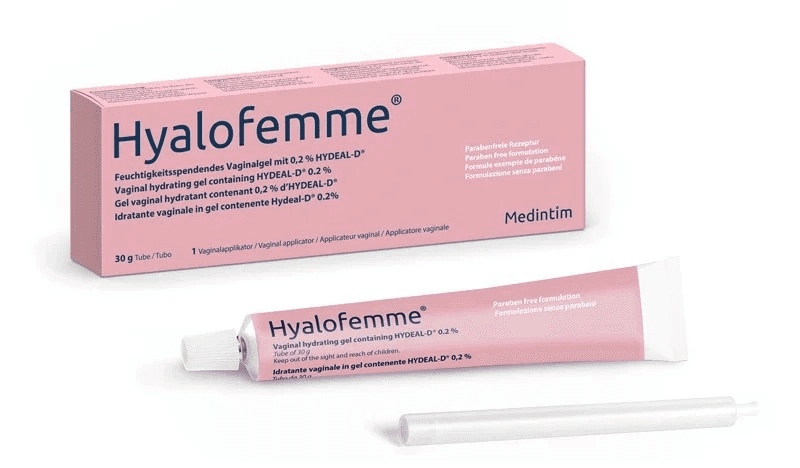
Hyaluronic Acid Gel (such as Hyalofemme): A highly hydrating formula that comes with an applicator for internal and external use. Great for mild to severe dryness depending on how often you apply it.
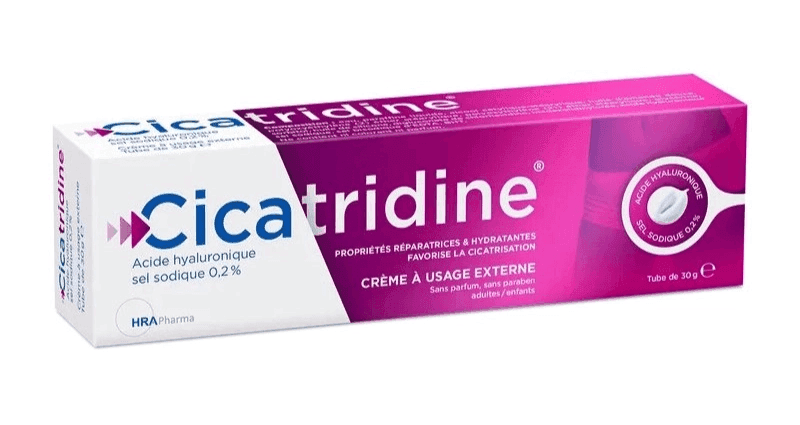
Moisturizing and Healing Vaginal Suppositories (such as Cicatridine): These inserts melt slowly to soothe vaginal tissues. Often recommended alongside gels or after procedures.
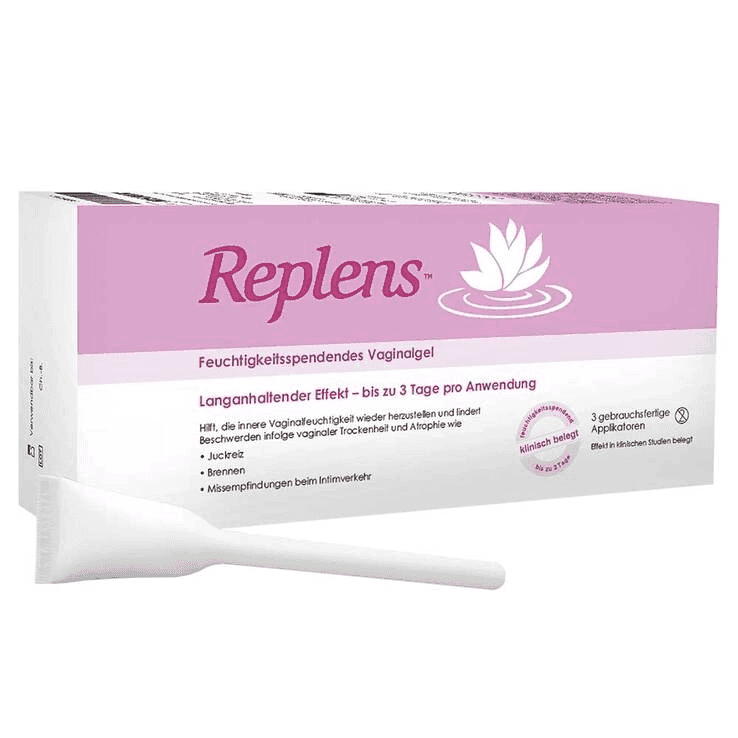
Long-Lasting Bioadhesive Gel (such as Replens): A well-known formula with a long-standing reputation for providing multi-day relief.
Combined Treatment Ovules (such as Gynalove or Premeno): Used as a structured treatment course, sometimes alongside a gel, for more persistent dryness.
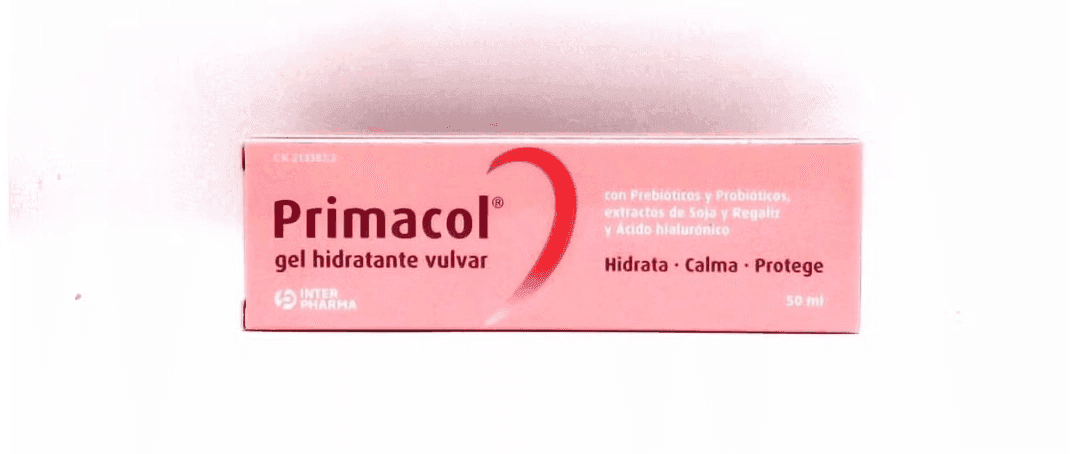
Soothe Vulvare Gel (such as Primacol): Formulated with probiotics, prebiotics, and hyaluronic acid to soothe the external vulvar area.
Frequently Asked Questions
How do I moisturize my intimate area?
The first step is to pin down why you are experiencing dryness. If it is caused by hormonal shifts (like menopause, postpartum, or medication), a vaginal moisturizer can help restore moisture to the vaginal lining over time.
For external discomfort, a vulva moisturizer or vulva cream specifically formulated for intimate skin can help relieve tightness and irritation. Be sure to avoid harsh soaps, and choose products that support your natural pH.
How can I moisturize my intimate areas naturally?
To support your body's natural moisture balance, try to:
avoid scented products and douching;
use a gentle intimate wash with a balanced pH;
wear breathable cotton underwear;
stay well-hydrated throughout the day;
use a gentle intimate moisturizer if dryness continues.
Many women find relief using products containing hyaluronic acid or comforting gels designed specifically for vaginal dryness.
Avoid using kitchen oils or DIY home remedies, as they can disrupt your natural vaginal microbiome and cause infections.
What is the best product for intimate dryness?
There is no single "best" product, as everyone's body is different. The right intimate dryness product depends on your symptoms and what is causing them.
For daily dryness, a vaginal moisturizer, cream, or gel with nourishing ingredients like hyaluronic acid offers the best long-term relief. If you only experience dryness during sex, a personal lubricant is likely all you need.
If your symptoms do not improve, it is always a good idea to speak with a healthcare professional.
What type of lubricant do gynecologists recommend?
Gynecologists usually recommend water-based lubricants that are fragrance-free, contain no glycerin if possible, and match the natural pH of the vagina.
Keep in mind that if you feel dry throughout the day, a lube won't replace a vaginal moisturizer or intimate dryness cream, which are designed for long-term care.
Using both together is safe and highly effective: a moisturizer for daily comfort, and a lubricant for sex.
What is the best moisturizer for the external vulva?
A high-quality vulvar moisturizer should be specifically formulated for intimate skin. It should be fragrance-free, gynecologically tested, and contain gentle, skin-soothing ingredients.
Be sure to check if a vaginal dryness cream is designed for external use if your discomfort is only on the outside. If you feel dry internally as well, a vaginal moisturizer with an applicator will bring better relief.
How can I keep track of my vaginal health?
Dryness, itching, burning, unusual discharge, or odors can sometimes be caused by a lack of moisture, but they can also indicate an imbalance in your vaginal flora, such as a yeast infection or bacterial vaginosis (BV).
If these symptoms persist, find the root cause before starting an intimate moisturizer or other treatments.
The Santelle Vaginal Test helps you measure vaginal pH quickly and safely at home to check for any imbalances.
Alongside regular doctor visits, it can help you understand your symptoms so you can choose the best solution—whether that is a vaginal moisturizer, a specific treatment, or a consultation with your doctor.
Frequently asked questions
How do you moisturise a woman's intimate area?
The first step is to identify the cause of the intimate dryness. If it is linked to hormonal changes, menopause, the postpartum period or certain treatments, a vaginal moisturiser can help restore the hydration of the mucous membrane over the long term. For the vulva, a vulval moisturising cream specially formulated for the intimate area can relieve feelings of discomfort and tightness. Avoid harsh soaps and choose care products suited to the pH of the intimate area.
How do you moisturise your intimate parts naturally?
To preserve the natural hydration of the intimate area, it is recommended to: avoid perfumed products and douching; use a gentle cleanser with a suitable pH; wear cotton underwear; stay well hydrated generally; use an intimate moisturiser if dryness persists. Some women also find relief with ingredients such as hyaluronic acid or moisturising gels designed specifically for intimate dryness. Oils and home remedies, on the other hand, are not always suitable and can disturb the balance of the vaginal microbiome.
What is the best product for intimate dryness?
There is no single product that suits every woman. The best product for intimate dryness depends on your symptoms and where they come from. With chronic dryness, a vaginal moisturiser, an intimate dryness cream or a gel containing moisturising ingredients such as hyaluronic acid can bring lasting relief. If the dryness only relates to sex, an intimate lubricant is generally more suitable. If symptoms persist or are unusual, it is advisable to ask a health professional.
What type of lubricant do gynaecologists recommend?
Gynaecologists generally recommend water-based lubricants, fragrance-free, glycerine-free where possible, with a pH compatible with that of the vagina. If dryness is frequent, a lubricant does not replace a vaginal moisturiser or an intimate dryness cream, which work over the long term. The two products can be complementary: one to treat dryness day to day, the other to improve comfort during sex.
What is the best moisturising cream for the external vulva?
A good vulval moisturising cream should be specifically formulated for the intimate area. It should be fragrance-free, gynaecologically tested, and contain moisturising and soothing ingredients suited to mucous membranes. Before using an intimate dryness cream, check that it is intended for vulval use if your discomfort only concerns the vulva. If the dryness also affects the inside of the vagina, a vaginal moisturiser will generally be more appropriate.
How do you keep track of your vaginal health?
Feelings of dryness, itching, burning, unusual discharge or bad odours can sometimes be linked to a simple lack of hydration, but also to an imbalance of the vaginal microbiome, such as a yeast infection or bacterial vaginosis. If these symptoms persist, it is important to identify the cause before using an intimate moisturiser or any other treatment. The Santelle vaginal test measures vaginal pH and quickly points to a possible imbalance, directly at home. Alongside medical follow-up, it helps you better understand where symptoms come from and choose the most suitable solution, whether that is a vaginal moisturiser, a treatment or a medical consultation.
Written by
Zineb Sadki
Editorial writing, Santelle
Zineb is a writer at Santelle and covers intimate health and the vaginal microbiome.