

Flora and microbiome
The 10 best probiotics for your vaginal health

Zineb Sadki
Editorial writing, Santelle
Your intimate flora, or vaginal microbiome, is made up of over 90% Lactobacillus bacteria.
They produce lactic acid, which keeps the pH acidic and stops unwanted bacteria and yeast from multiplying.
This balance is delicate. Antibiotics, stress, periods, pregnancy, menopause, or even sex can easily disrupt it.
A probiotic made specifically for vaginal health can help restore this balance, either alongside standard medical treatment or to help prevent issues. However, ingredients and dosages vary greatly between products, and they are not all created equal.
This guide compares ten vaginal health probiotics available in pharmacies, parapharmacies, or online, and explains how to choose the right one for your needs.
Good to know before choosing: The probiotics in this article are dietary supplements. They do not replace a balanced diet, a healthy lifestyle, or prescribed medical treatment.
Top 10 Best Vaginal Health Probiotics
Different ingredients and dosages can lead to very different results.
Here is our selection of the best vaginal probiotics on the market to help you find the right fit for your body.
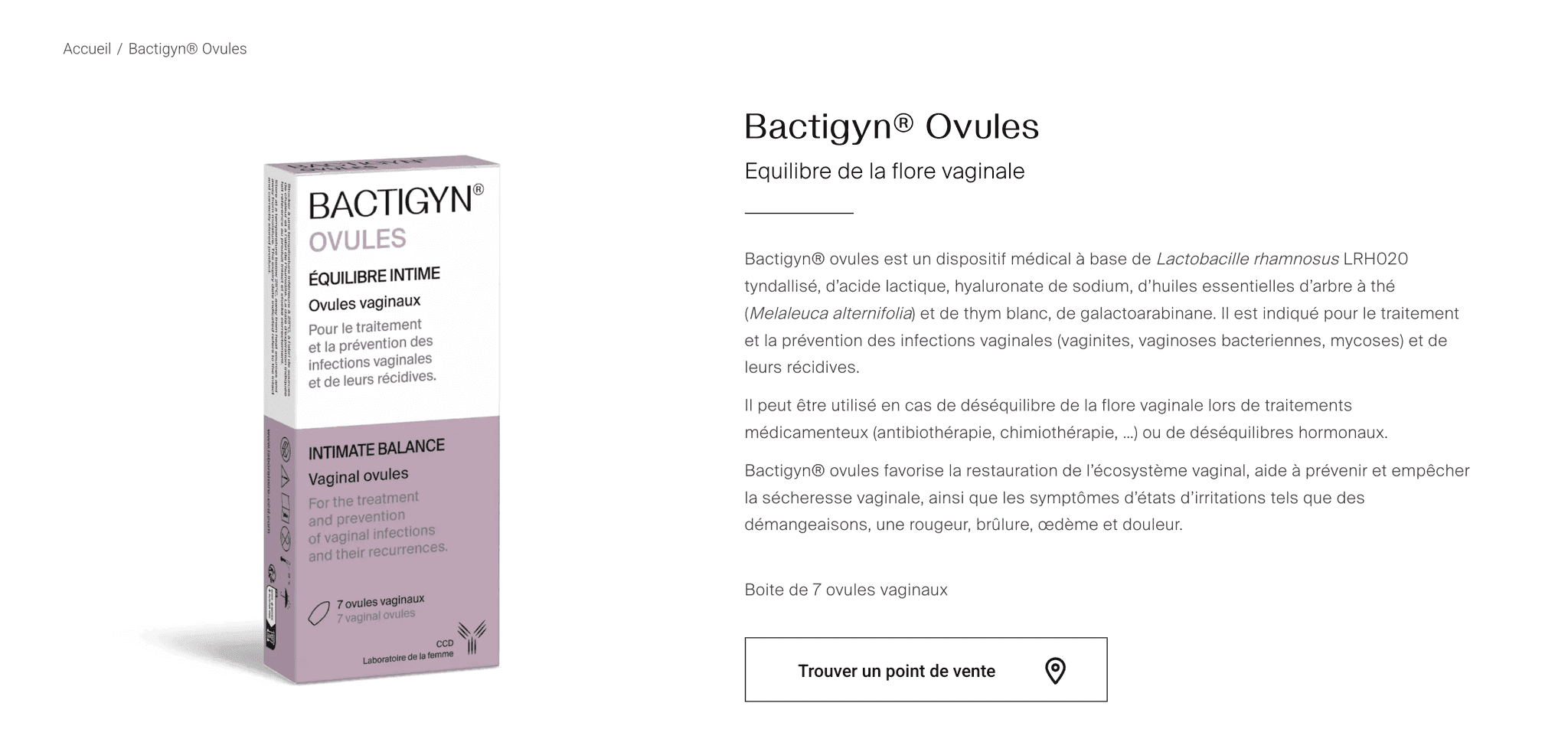
1. Bactigyn Vaginal Suppositories (CCD Laboratory)
Bactigyn suppositories combine protective bacteria (Lactobacillus rhamnosus LRH020) with lactic acid and hyaluronic acid in a capsule designed to be inserted directly into the vagina.
Use one suppository at bedtime for seven to ten days, depending on your symptoms. Each box contains seven suppositories.
This medical device is designed to help with bacterial vaginosis, yeast infections, and vaginal dryness, offering extra soothing relief thanks to hyaluronic acid.
Please note: The bacteria in this product are heat-inactivated (tyndallized) to ensure they remain stable. While they still help support vaginal health, they work slightly differently than traditional live probiotics.
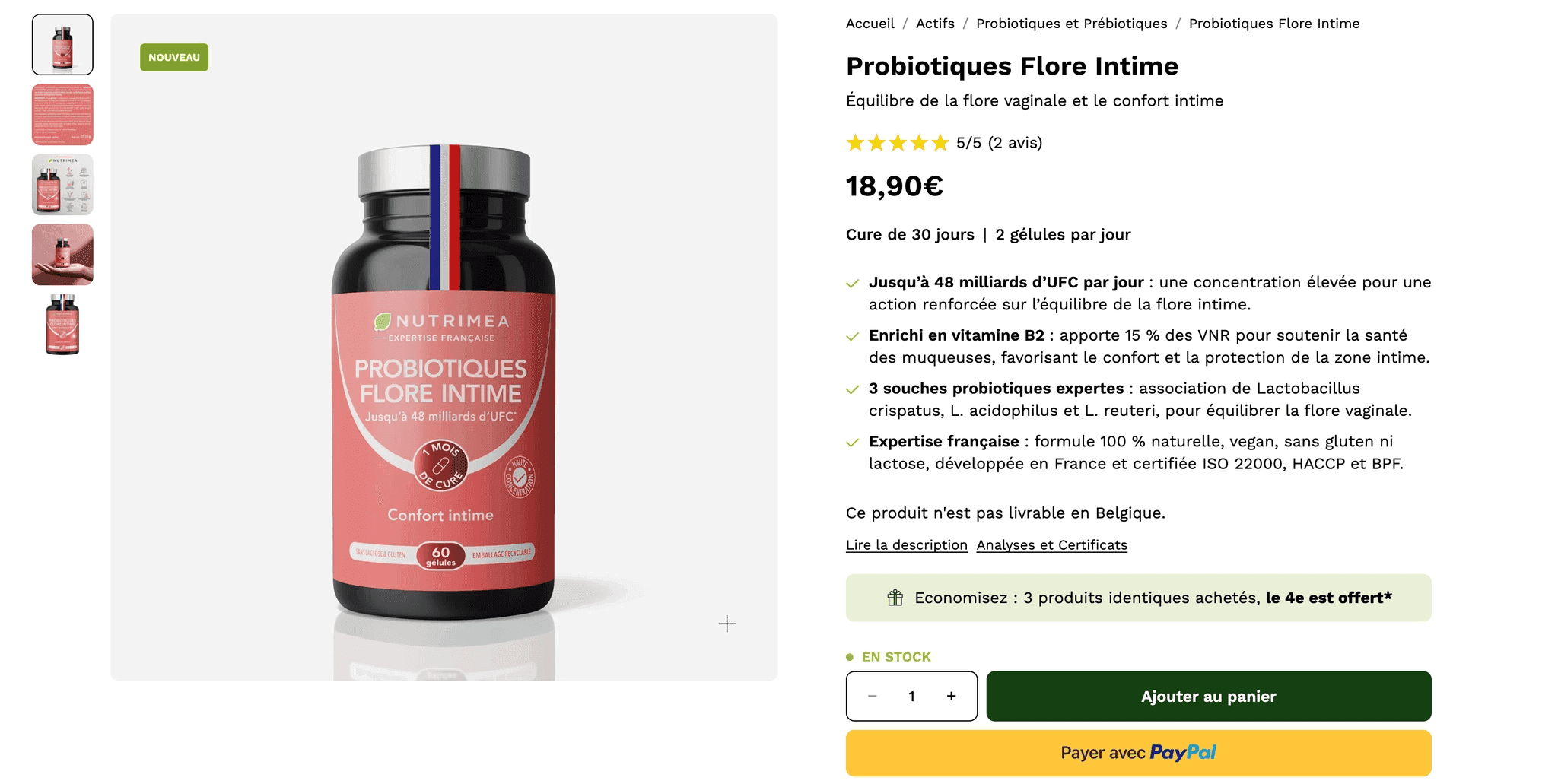
2. Nutrimea Vaginal Flora Probiotics
Nutrimea Vaginal Flora Probiotics feature three bacterial strains known to support vaginal balance, with added vitamin B2 to help maintain healthy vaginal tissues.
The dosage is one of the highest in this comparison, making it a great option for addressing noticeable imbalances rather than just daily maintenance. This formula is 100% natural, vegan, gluten-free, lactose-free, and made in France.
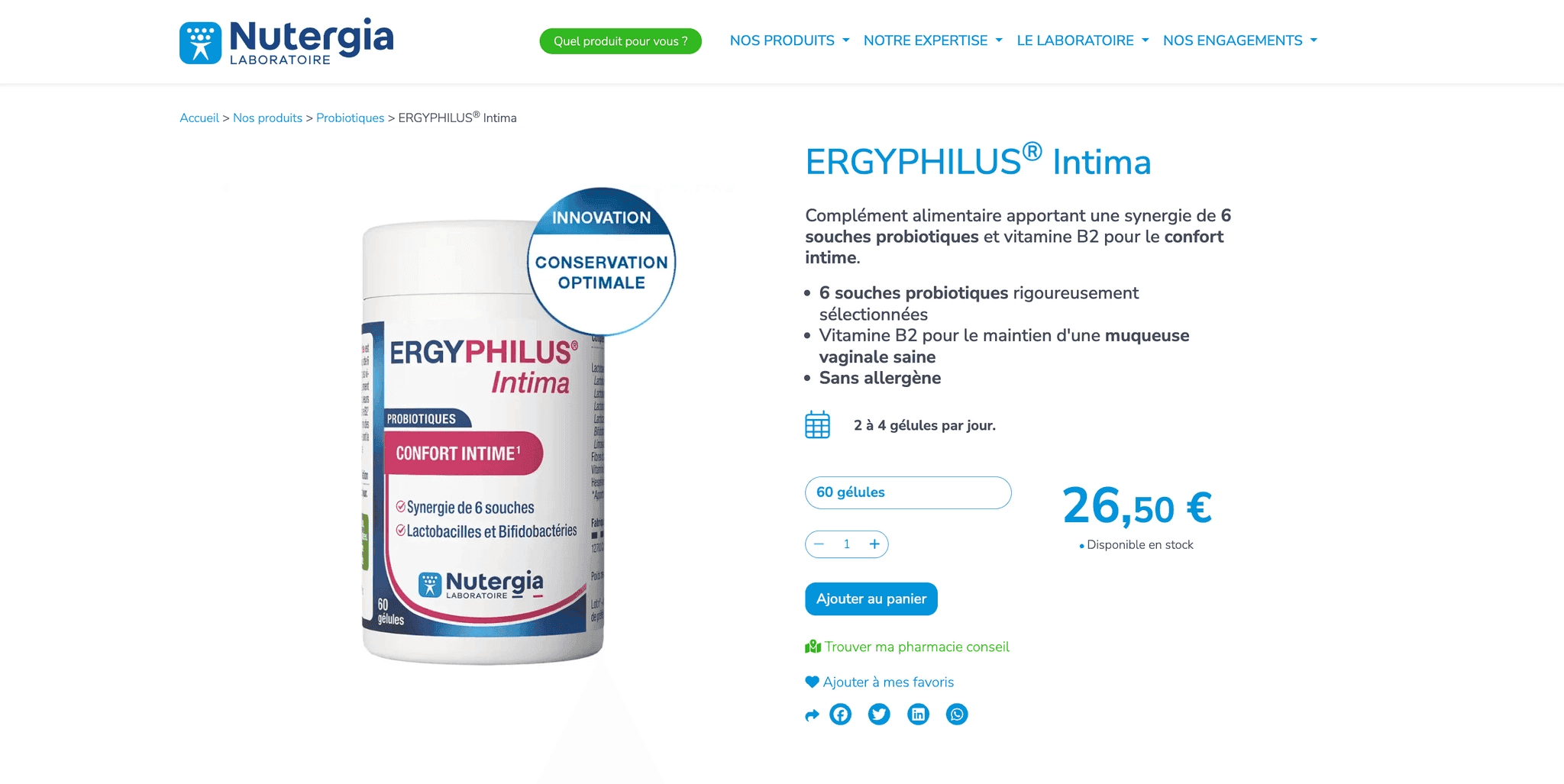
3. Ergyphilus Intima (Nutergia)
Ergyphilus Intima capsules by Nutergia combine six strains of beneficial bacteria (lactobacilli and bifidobacteria) with vitamin B2 to help keep your vaginal lining healthy. Suitable for ages ten and up.
For active symptoms, take two capsules twice a day for a week, followed by two capsules a day for a month for maintenance. Keep in mind: these capsules must be stored in the refrigerator to keep the bacteria alive and effective.
With 60 capsules per bottle, this is a budget-friendly option. Nutergia is an established French laboratory widely available in pharmacies, with over thirty years of experience in nutritional science.
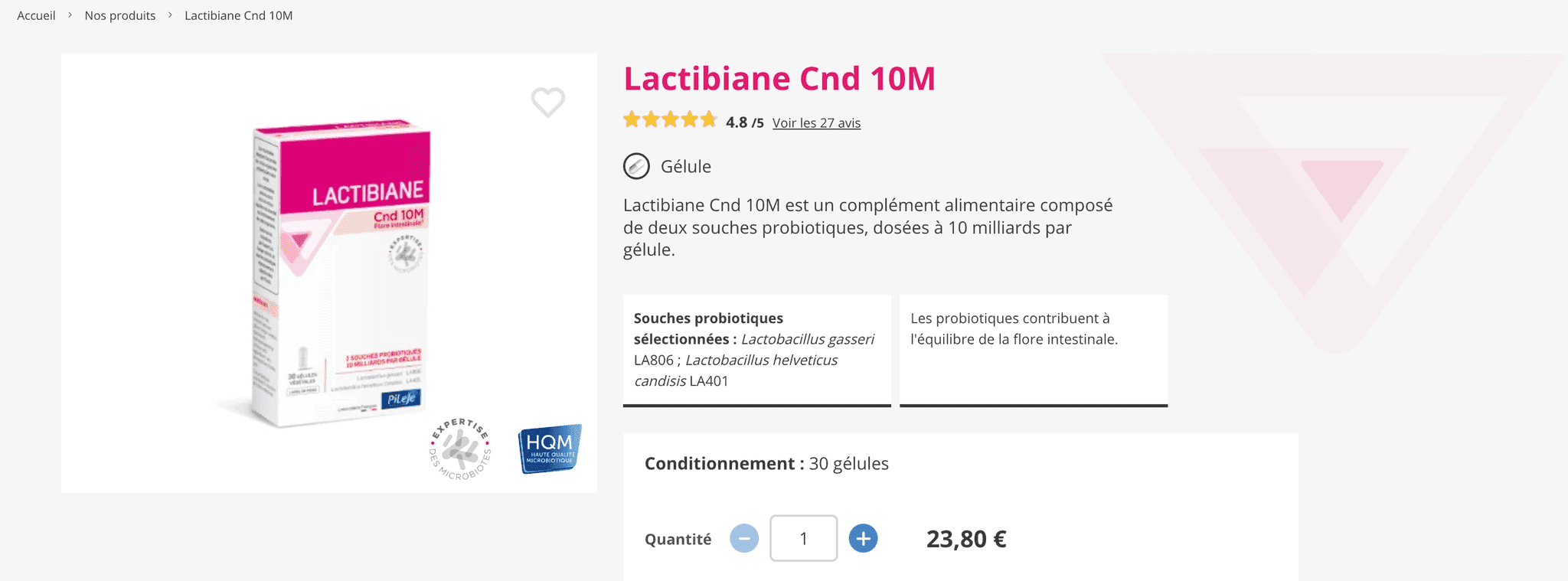
4. Lactibiane Cnd (Pileje)
Lactibiane Cnd capsules by Pileje contain two strains of lactobacilli, delivering 10 billion bacteria per capsule. The "Cnd" in the name refers to Candida, the yeast responsible for thrush. This formula is designed for women who experience recurring yeast infections, supporting both gut and vaginal health.
Take one to two capsules daily with a large glass of water before a meal. If you are taking antibiotics, space them at least two hours apart from this supplement.
Pileje is a trusted French laboratory that has been research-focused on microbiomes since 1991, registering its strains with the French National Collection of Microorganism Cultures.
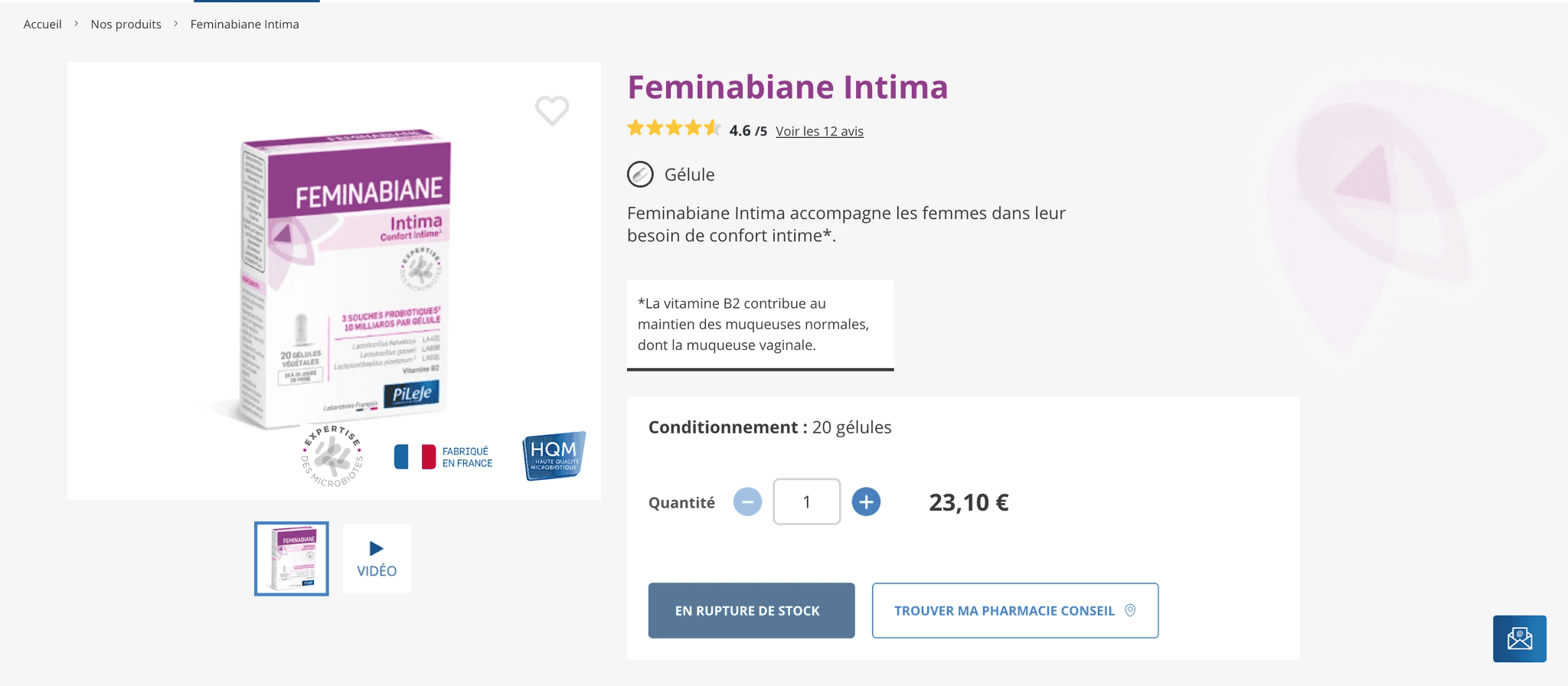
5. Feminabiane Intima (Pileje)
Feminabiane Intima capsules by Pileje combine three strains of lactobacilli with vitamin B2, which helps maintain healthy mucous membranes, including the vaginal lining.
Take one to two capsules daily before a meal with a large glass of water, for a ten to twenty-day course.
This product is safe for all women, including during pregnancy, breastfeeding, or from the very first menstrual cycles in young girls—a level of safety few competitors can so clearly claim.
Pileje is a highly respected French laboratory in nutritional science, adding strong scientific credibility to this supplement.
6. Physioflor Oral (Saforelle)
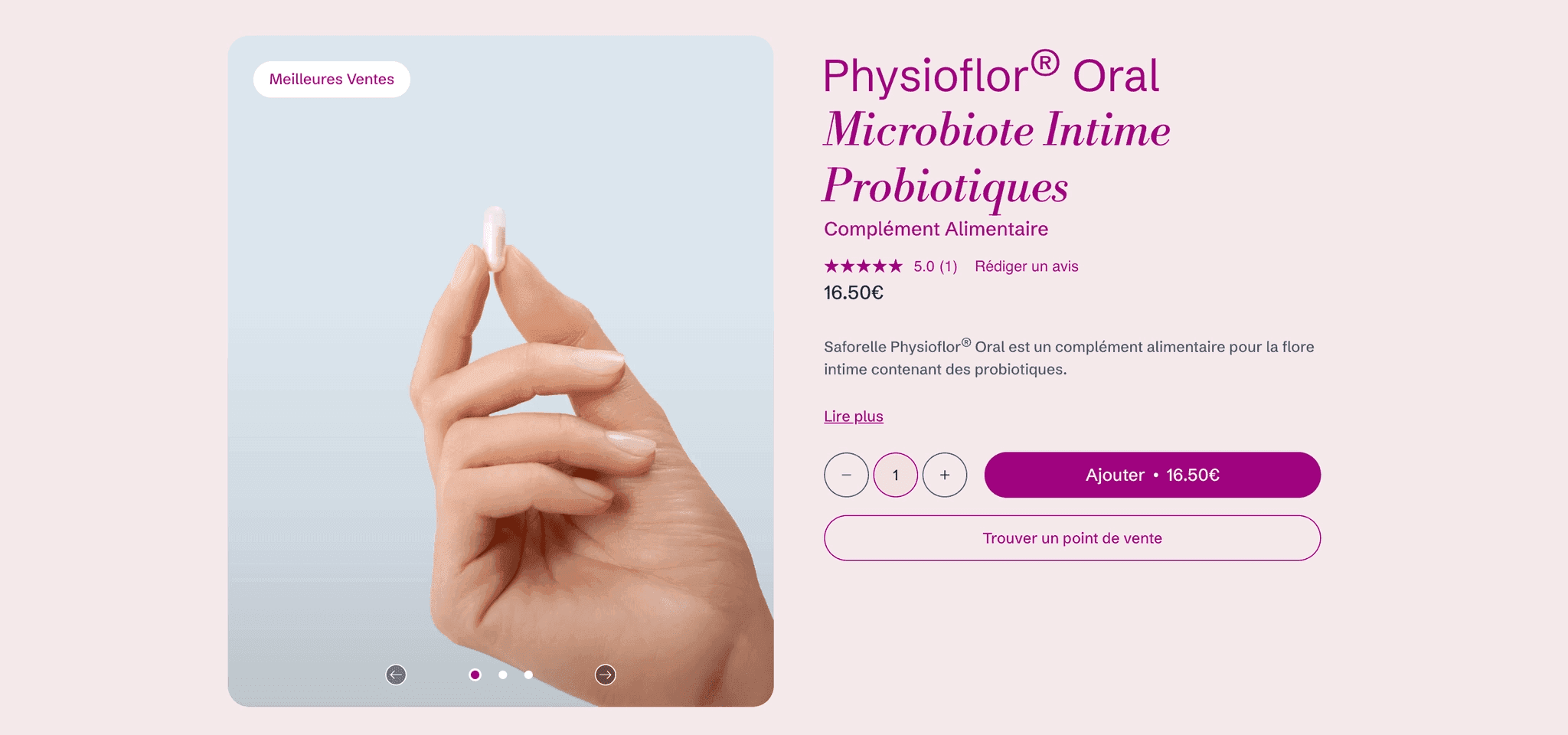
Physioflor Oral is an oral capsule containing 100% Lactobacillus crispatus, the main bacterial species found in a healthy, balanced vaginal microbiome.
Each capsule provides 1 billion CFU, protected by an acid-resistant capsule designed to survive stomach acid so the bacteria reach the gut safely.
How to use: Take one capsule daily for maintenance, swallowed with water preferably before a meal, as a renewable one-month course.
For extra support, you can increase the dose to two capsules daily for fifteen days. Each box contains 30 capsules.
Important safety note: If you are pregnant or planning a pregnancy, consult a doctor before use. According to the manufacturer, this product is compatible with breastfeeding.
7. Gynophilus Oral
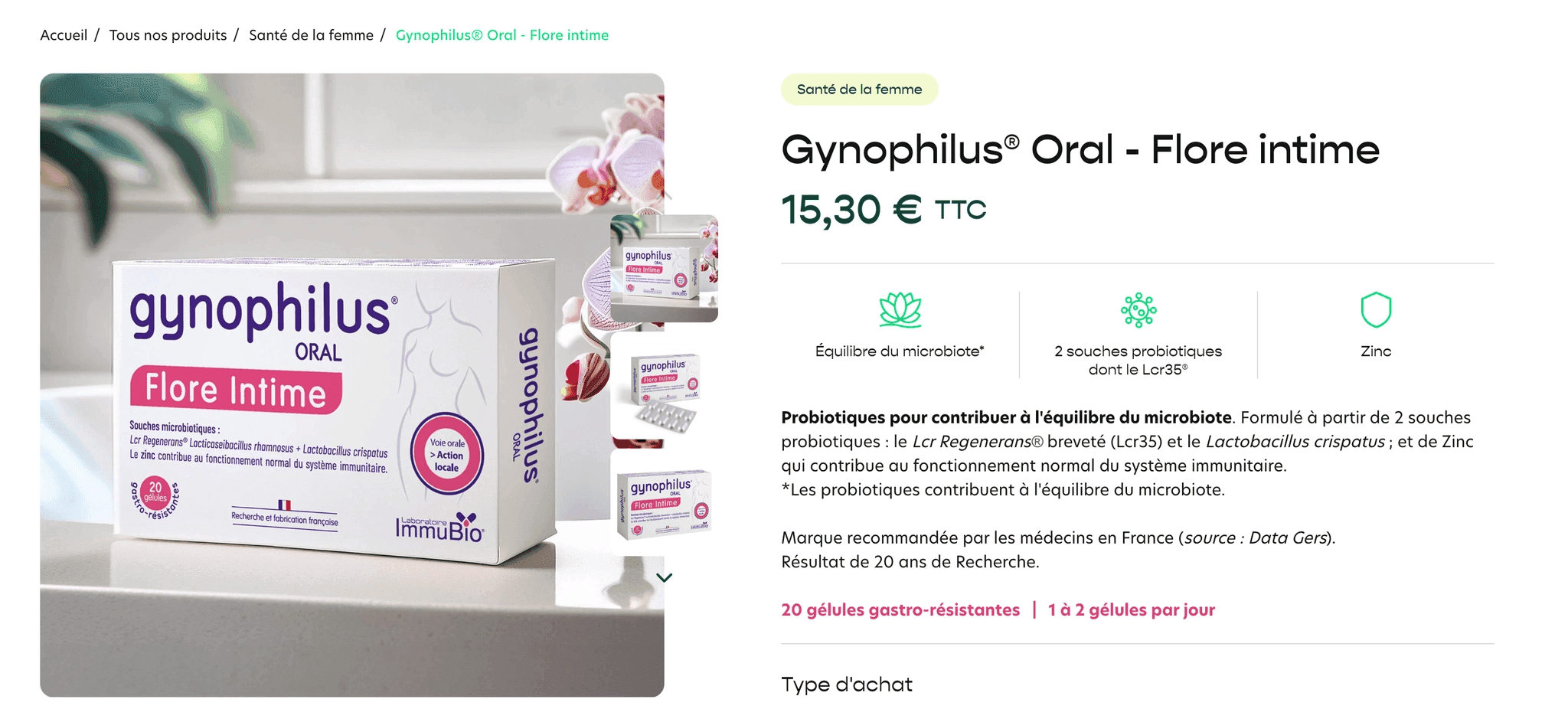
This vaginal formula features specific Lactobacillus strains that naturally live in the vagina, in a base designed to help them stick to the vaginal walls for quick relief. These probiotic vaginal suppositories are easy to insert and come with an applicator.
We recommend a short 5 to 7-day course after a vaginal infection like thrush or BV, followed by once-weekly use if you experience frequent flare-ups.
8. Nutri&Co Vaginal Flora Probiotics
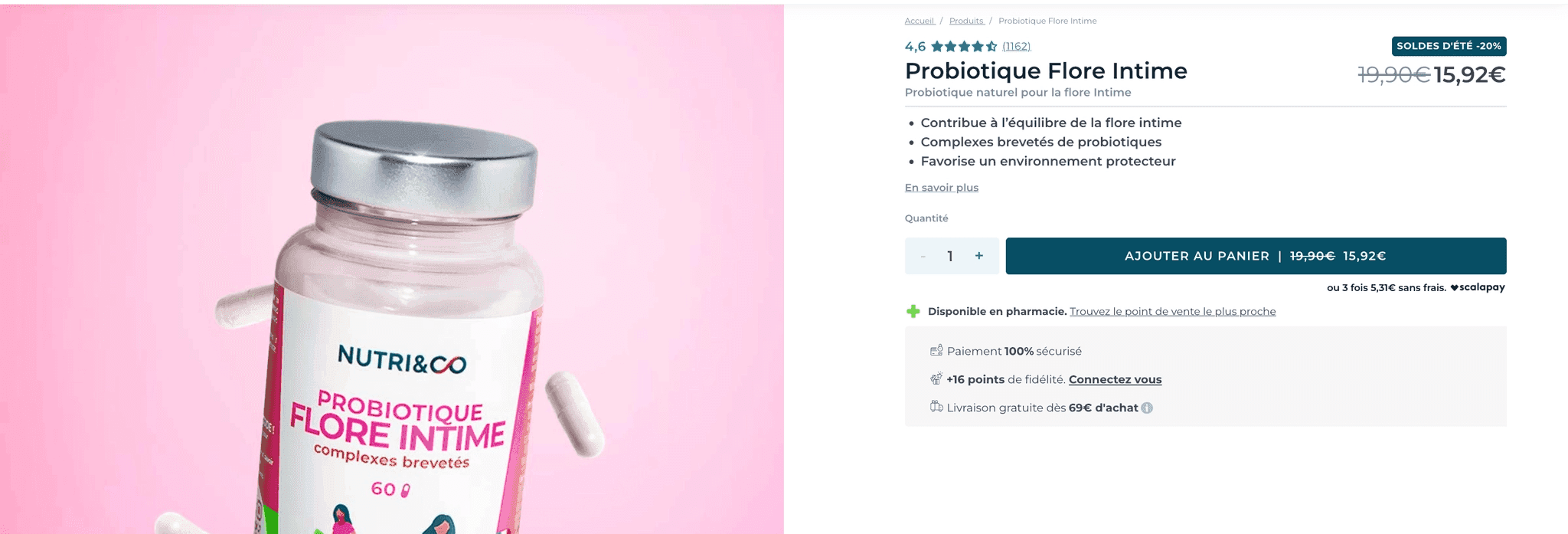
Nutri&Co is an oral supplement designed specifically to support vaginal health.
It combines several strains of beneficial bacteria at dosages that match the amounts used in clinical trials for intimate health.
How to use: Take two capsules daily with breakfast. If you are also taking antibiotics, space them about three hours apart. One bottle lasts for a month and can be kept at room temperature—no refrigeration required.
What makes this brand stand out: They list the exact bacterial strains used and link to the scientific studies behind them, rather than just writing "lactobacilli" on the box. This provides a level of transparency not often seen in supplements.
On the other hand: The positive results highlighted by the brand come from studies on individual bacterial strains, not necessarily on this exact finished product.
This does not mean the product does not work, just that we should view their specific marketing figures with a healthy dose of realism.
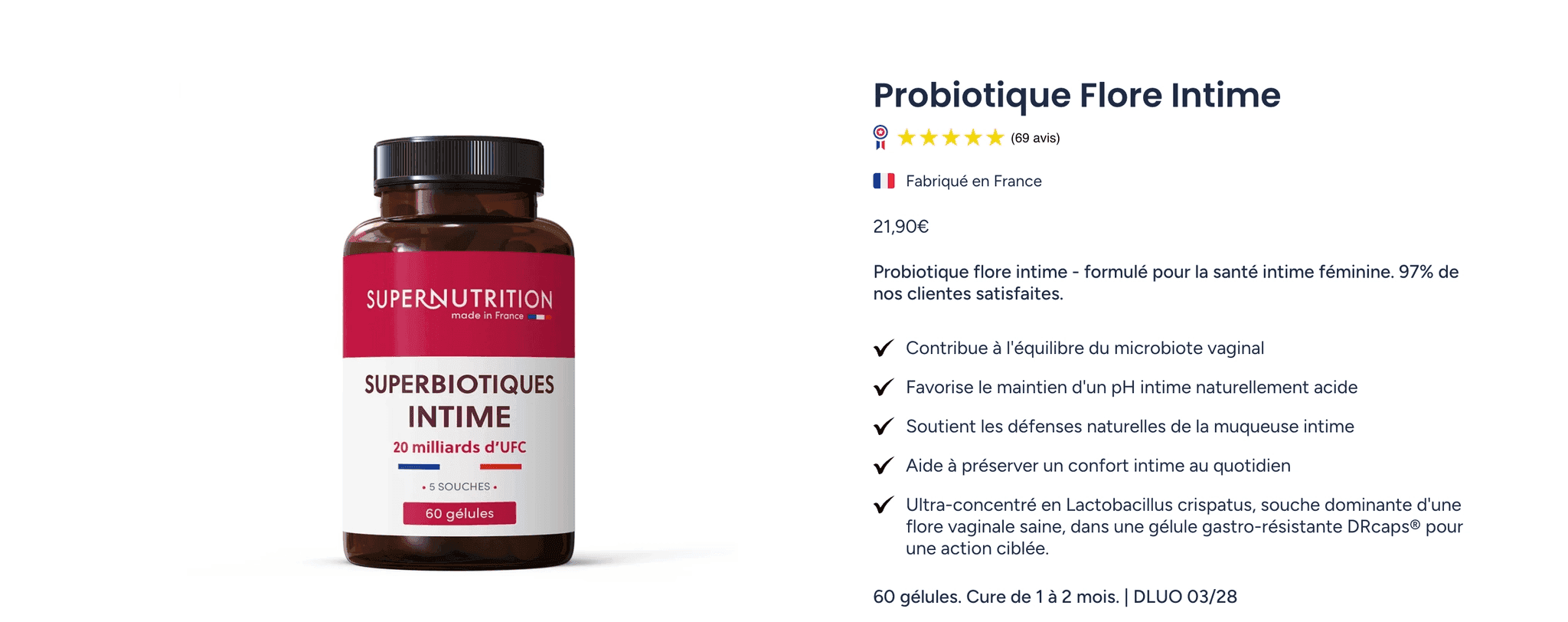
9. SuperNutrition Vaginal Flora Probiotics
SuperNutrition Probiotics are oral capsules containing five different bacterial strains. The primary strain, which is highly researched for vaginal health, makes up half of the total dose.
The other four strains work together to support different areas of vaginal and digestive balance.
How to use: Take two capsules daily, providing 20 billion bacteria in total. This is a high-strength dose, making it great for active symptoms rather than daily maintenance.
The capsule is designed to resist stomach acid. The formula is 100% plant-based and free from controversial additives.
This product is available exclusively on the brand's official website, not in physical stores or general online marketplaces.
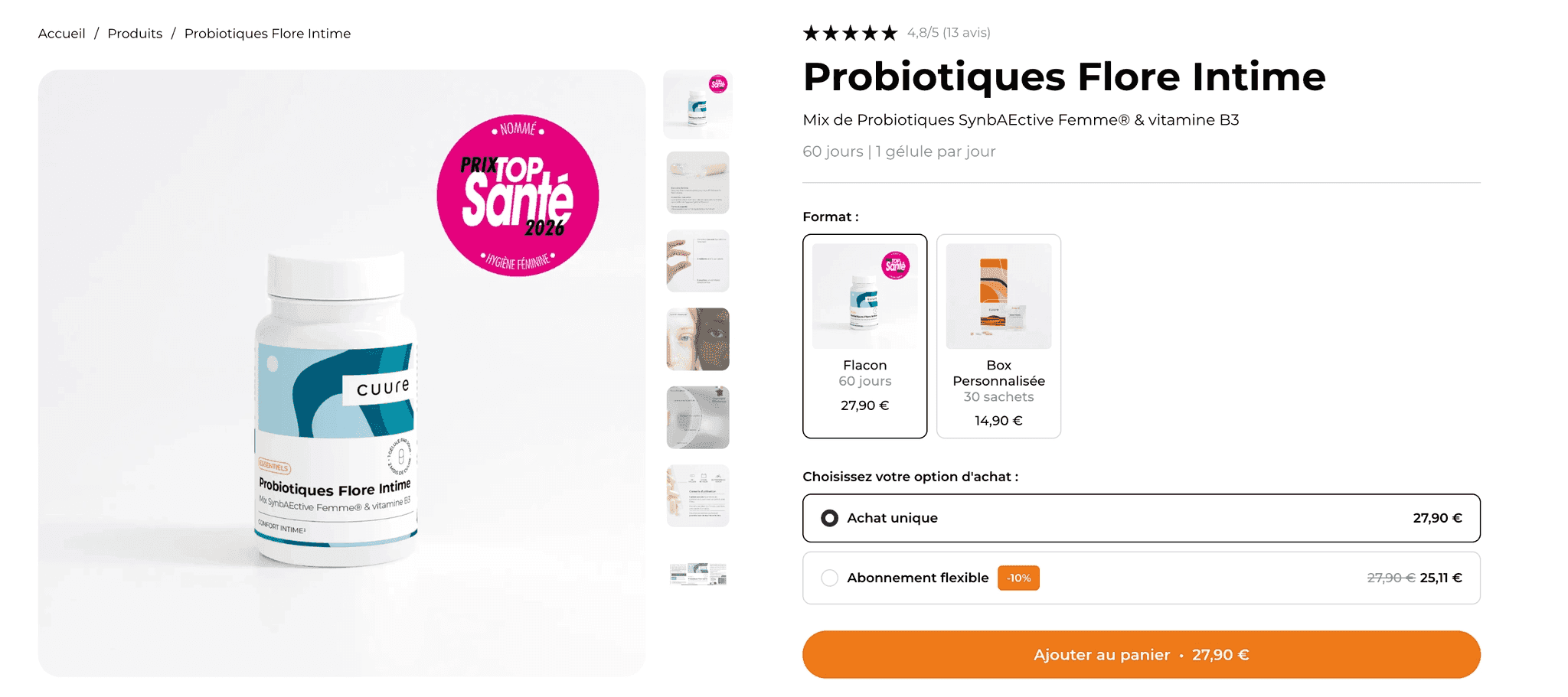
10. Cuure Vaginal Flora Probiotics
Cuure Vaginal Flora Probiotics combine two beneficial bacterial strains selected for vaginal health, with added vitamin B3.
It is easy to take: just one capsule a day with a large glass of water, ideally on an empty stomach or with your first meal of the day.
At 3 billion bacteria, the dosage is gentle. It is best used to maintain an already healthy balance rather than to treat an active yeast infection or bacterial vaginosis (BV).
Sugar-free, gluten-free, lactose-free, and made in France.
Prices and formulations can change. Always check the latest details on the manufacturer's website or with your pharmacist before buying.
Why Should You Use a Vaginal Probiotic?
You may have noticed getting a yeast infection shortly after taking antibiotics.
This happens because antibiotics kill off both the bad bacteria causing your illness and the protective lactobacilli in your vagina.
What Do Lactobacilli Do?
Lactobacilli protect you in two ways. They produce lactic acid, which keeps your vaginal pH at an acidic, protective level of 3.8 to 4.5.
Certain strains also produce natural substances that directly stop harmful organisms, like the bacteria that cause BV (Gardnerella vaginalis) or the yeast that causes thrush (Candida albicans), from growing.
What Are the Symptoms of an Imbalanced Vaginal Flora?
Common signs include changes in discharge (watery, thick, gray, or white), unusual odor, itching, dryness, burning, pain during sex, or recurring urinary tract infections (UTIs) and yeast infections.
These symptoms show that your protective lactobacilli have decreased, letting opportunistic germs take over.
How Do Probiotics Help Restore Balance?
By taking probiotics orally or using them vaginally, you introduce live, beneficial bacteria that can live in your vaginal microbiome and help keep harmful bacteria and yeast in check.
When used alongside antifungal creams or antibiotics, a vaginal probiotic can help make your treatment more effective, especially after antibiotics have disrupted your body's natural defenses.
How Do You Use Vaginal Probiotics Correctly?
Once you have selected the right product, you need to decide on the formulation (oral or vaginal) and how long to take them.
How Long Should You Take Them?
To address active symptoms, a daily dose for seven to fourteen days is typical, especially when using vaginal suppositories.
For daily maintenance, we recommend four to eight weeks, though you may start feeling more comfortable within the first week or two.
Should You Choose Oral Capsules or Vaginal Suppositories?
Oral capsules are highly convenient for daily use. The bacteria travel through the gut to populate the vaginal area naturally.
This requires a capsule that is specially designed to survive stomach acid so the bacteria reach their destination intact.
Vaginal suppositories work much faster and target the area directly. They are generally best for quick relief during sudden flare-ups.
Can You Take Probiotics and Prebiotics Together?
Many supplements combine both in one capsule. Prebiotics, like inulin fiber, feed the beneficial bacteria to help them grow and thrive. This is especially helpful after antibiotics have stripped away your body's natural defense system.
How Do You Choose the Right Probiotic for Your Vaginal Health?
With so many ingredients and dosages, reading probiotic labels can feel confusing. Focusing on these four key areas makes it simple.
Which Bacterial Strains Are Best?
Look for specific, named strains (often followed by letters and numbers, like Lcr35) rather than just a general label like "lactobacilli."
The most thoroughly researched strains for intimate health are L. rhamnosus (such as Lcr35), L. reuteri, L. crispatus, and L. acidophilus.
Using a supplement with a mix of these different strains is often more effective than using just one.
How Many CFU (Colony-Forming Units) Do You Need?
For daily maintenance, 1 to 10 billion CFU per day is usually plenty. To help clear up active symptoms, look for a higher-strength dose of 10 to 20 billion CFU.
Check if the company guarantees the CFU count until the product's expiration date, rather than just at the time of manufacture. This ensures you are getting an effective dose, as bacteria naturally break down over time.
Oral vs. Vaginal: Which Method Is Best for You?
Oral capsules are easy to take and perfect for long-term daily support.
Vaginal suppositories or capsules are best for fast, targeted relief when you have active symptoms.
When Should You See a Doctor?
While probiotics are great for supporting your body during mild imbalances, they are not a replacement for a medical diagnosis.
If your symptoms do not improve after a week, get worse, or if you get infections like thrush or UTIs more than three or four times a year, you should see a doctor. They can run tests to rule out other conditions and prescribe the right treatment.
It is also highly recommended to consult a doctor if you are pregnant, breastfeeding, or unsure about your symptoms.
The best approach is not to buy the most popular product, but to choose the one with the specific strains, strength, and delivery method that matches your body's needs.
Once you know what to look for, choosing your supplement becomes easy.
Frequently Asked Questions
Can I take vaginal probiotics while on antibiotics or thrush treatments?
Yes, this is actually a very common choice. Probiotics can be taken alongside prescribed treatments to help protect and rebuild your vaginal flora from the harsh, stripping effects of antibiotics or antifungals.
If you are unsure, speak to your doctor or pharmacist for advice.
Can vaginal probiotics help prevent recurring yeast infections?
Studies suggest that regularly taking targeted lactobacilli probiotics, combined with healthy habits, can help reduce how often yeast infections come back.
However, they should not replace medical advice if you experience frequent or severe infections.
Will a standard digestive probiotic work for vaginal health?
Not necessarily. Bacterial strains that support your gut do not always have the same benefits for your vaginal flora.
It is best to choose a formula specifically designed for intimate health, featuring strains like L. crispatus or L. rhamnosus.
Can I use vaginal probiotics during pregnancy?
Some probiotics are safe to use during pregnancy, but this depends on the specific product and your health history. Always check with your healthcare provider (midwife, gynecologist, or pharmacist) before starting any new supplement while pregnant or breastfeeding.
Are there any side effects to vaginal probiotics?
Side effects are rare and usually mild (such as slight bloating when taking oral capsules). Choosing a well-tolerated product is key to a comfortable experience.
Do I need to keep vaginal probiotics in the fridge?
It depends on the product. Some vaginal capsules and live bacteria strains need refrigeration to stay active, while many oral supplements are shelf-stable at room temperature.
Always check the storage instructions on the product packaging.
Frequently asked questions
Can you take an intimate probiotic at the same time as an antifungal or antibiotic treatment?
Yes, this is in fact one of the most common uses: probiotics are often taken alongside medical treatment to help restore the flora that an antibiotic or antifungal can weaken. Ask your pharmacist or doctor if you are unsure.
Can intimate probiotics prevent recurring yeast infections?
Studies suggest that a probiotic for yeast infections taken as regular supplementation, based on targeted lactobacilli, can help reduce how often they recur, particularly when combined with a healthy lifestyle. They do not, however, replace medical advice in cases of frequent or severe episodes.
Is an ordinary gut probiotic enough for the vaginal flora?
Not necessarily. A strain that works for digestion does not necessarily have a documented effect on the vaginal area. It is better to choose a formula designed specifically for vaginal flora, with strains such as L. crispatus or L. rhamnosus.
Can you use an intimate probiotic during pregnancy?
Some formulas are compatible with pregnancy, but this depends on each product and each situation. It is essential to ask a health professional (midwife, gynaecologist, pharmacist) before taking anything during pregnancy or breastfeeding.
Are there side effects to probiotics for the vaginal flora?
Side effects are rare and generally mild (slight bloating if taken orally). Good tolerance is a quality criterion worth favouring when choosing a product.
Should intimate probiotics be kept in the fridge?
It depends on the product: some vaginal forms and some live strains need cold storage to preserve their viability, while other oral formulas are stable at room temperature. Always refer to the leaflet for the product you have chosen.
Written by
Zineb Sadki
Editorial writing, Santelle
Zineb is a writer at Santelle and covers intimate health and the vaginal microbiome.