

Symptoms
Pelvic pain in women: causes, where it hurts, and how to find relief

Yasmina Akni
SEO and press relations, Santelle
You are in a meeting, and since this morning, that nagging pulling sensation in your lower belly just won't go away.
You try to focus, but every time you shift positions, the discomfort returns. You wonder if your period is starting, if it's tummy trouble, or if it is something else entirely.
Pelvic pain is one of the most common reasons women visit the doctor, and most of the time, the cause is simple to identify.
Many women experience cramping right before or during their period, which is perfectly normal.
Here is what you need to know to understand where this pain is located, what might be causing it, and when it is a good idea to speak with a doctor.
Where is pelvic pain located?
Pelvic pain is located in the pelvis, the area of the body surrounded by your hip bones, between your lower belly and the top of your thighs.
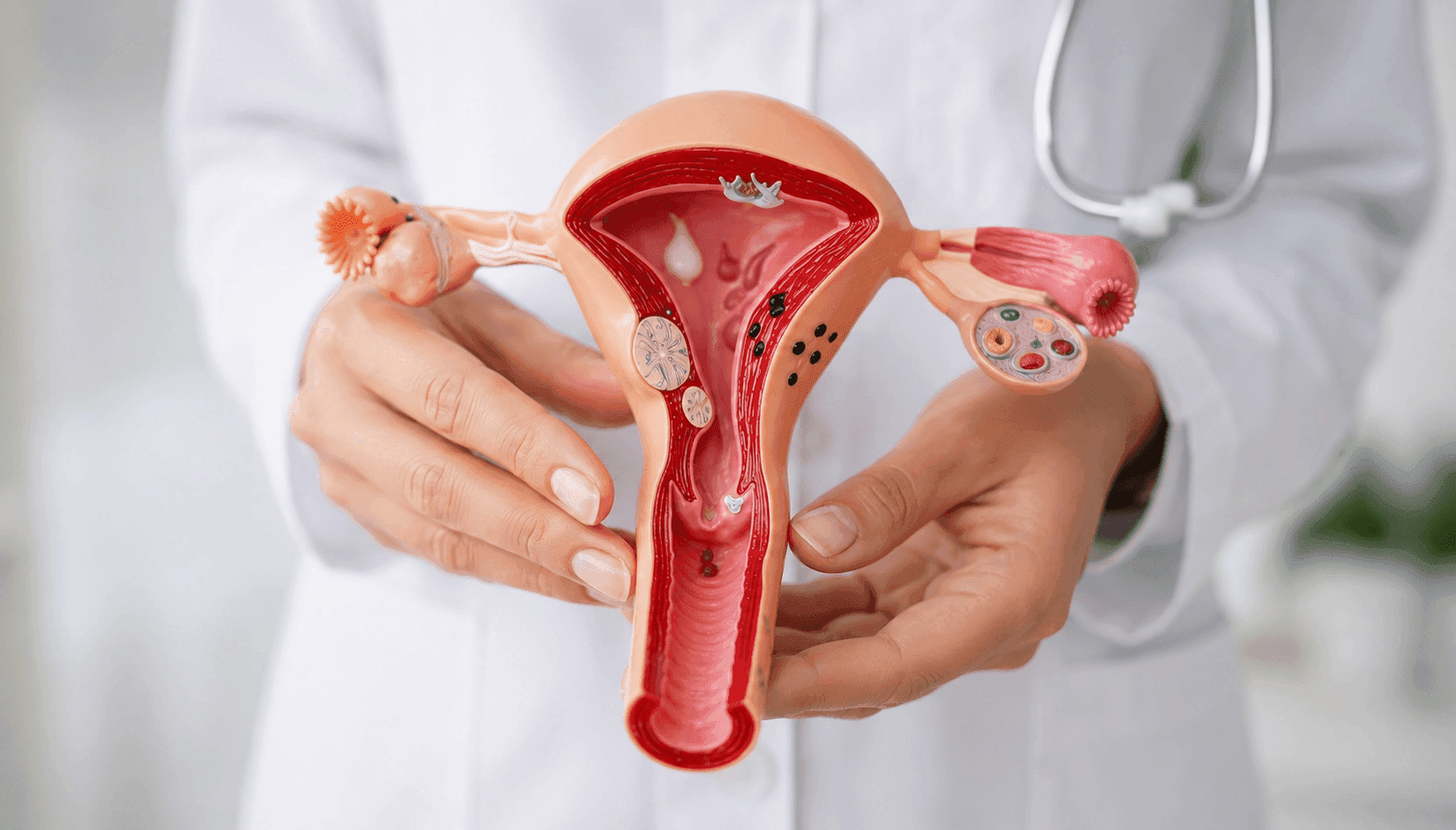
This area houses the intestines, the lower part of the ureters, and the bladder. In women, it also contains the ovaries, fallopian tubes, uterus, and cervix.
This means the pain can come from your digestive system, urinary tract, or reproductive organs. It can also stem from muscles, nerves, or even emotional stress rather than a physical issue in the pelvic area.
The pain can feel centralized, localized to one side, or spread out across the entire area. Sometimes, it can spread to your lower back, groin, or thighs.
It can feel different for everyone. It might be a sharp cramp, a dull tugging, or a constant heavy feeling that doesn't go away. It can strike suddenly or build up slowly, staying constant or coming in waves.
There are two main types:
Acute pelvic pain: This starts suddenly and lasts from a few hours to a few days.
Chronic pelvic pain: This comes back regularly or lasts for more than six months.
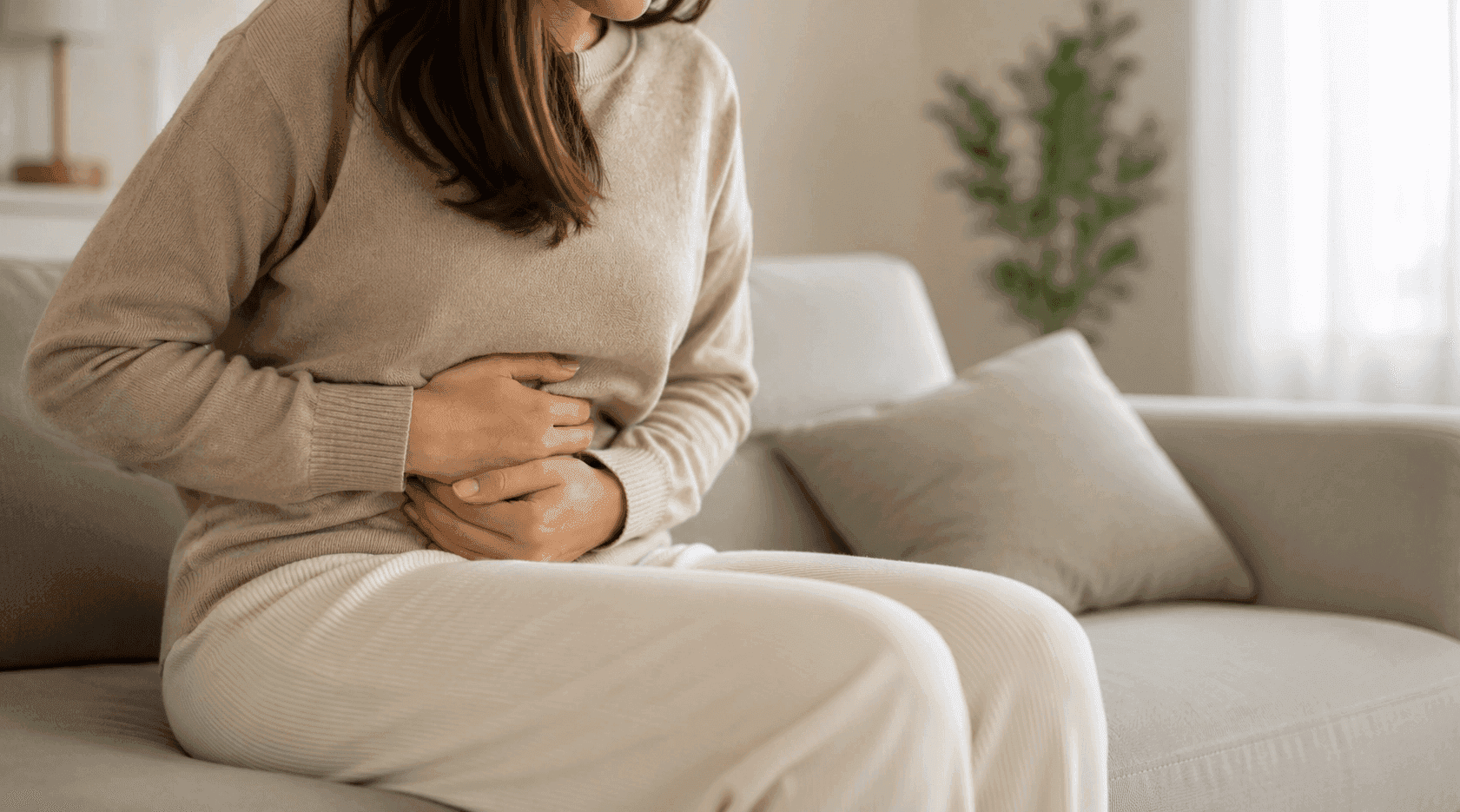
What are the causes of pelvic pain?
Before assuming the worst, it is helpful to look at the most common causes.
Most issues are easy to treat once they are identified, though a few rare causes require prompt medical attention.
Is it related to your period or ovulation?
You might already be familiar with this type of pain: it starts right before or during your period, in your lower belly, and sometimes spreads to your back. This is the most common cause of pelvic pain.
Period cramps are caused by the uterus contracting to shed its lining. Ovulation pain happens in the middle of your cycle and usually lasts only one or two days.
Could it be a gynecological issue?
If the pain occurs with every cycle and becomes increasingly painful, it is worth exploring potential gynecological causes.
Several conditions can be responsible:
Endometriosis: This is when tissue similar to the lining of the uterus grows in other parts of the pelvis, often causing severe pain during periods.
An ovarian cyst: These fluid-filled sacs are usually harmless and cause no symptoms, but they can trigger a dull ache, or a sharp pain if they twist.
A uterine fibroid: These non-cancerous growths in the muscle of the uterus can sometimes cause a feeling of fullness or heaviness in the lower belly.
A vaginal infection (such as a yeast infection, bacterial vaginosis, or an untreated sexually transmitted infection): Localized inflammation can cause lower pelvic pain, sometimes accompanied by unusual vaginal discharge.
Pelvic congestion syndrome (pelvic varicose veins): Blood pools in widened veins in the pelvis, causing ongoing, dull pain. This is most common in younger women who haven't reached menopause.
Pelvic organ prolapse: This is when the uterus or bladder slips slightly from its normal position, causing a heavy or bulging sensation, especially in women who have given birth multiple times.
Could it be a digestive issue?
If your stomach is rumbling and you feel bloated, it can be hard to tell whether the pain is coming from your uterus or your bowel.
This is very common because the two areas are right next to each other, making the sensations easy to confuse.
Several digestive issues can cause pelvic discomfort:
Irritable bowel syndrome (IBS) and constipation are very common and can cause generalized pelvic discomfort.
A stomach bug (gastroenteritis) or an inflammatory bowel disease (IBD) (which causes long-term inflammation of the gut) can also cause localized pain.
Diverticulitis: Small pouches that form in the wall of your bowel become inflamed or infected, often causing pain in the lower left side of your stomach.
A hernia: Part of your bowel pushes through a weak spot in the surrounding muscle wall, creating a small bulge and discomfort that worsens during physical activity.
Could it be a urinary issue?
A urinary tract infection (UTI) typically causes a burning sensation when you pee and a frequent urge to go, often along with pain just above your pubic bone.
A kidney stone moving toward the bladder can also cause sudden, severe pelvic pain.
Less commonly, chronic bladder inflammation without an infection (interstitial cystitis) causes long-term pain and a constant, urgent need to urinate.
Could your muscles or nerves be the cause?
Poor posture, residual tension from giving birth, or tight pelvic floor muscles can also cause pain, even if your organs are perfectly healthy.
This possibility is often overlooked, but it explains a significant portion of long-term pelvic pain.
In rarer cases, an irritated nerve in the pelvis (such as the pudendal nerve) can cause a burning pain that gets worse when sitting.
Can stress really cause pelvic pain?
Yes. Stress and emotional worries can make any pain feel worse, including pelvic pain, by causing you to unconsciously tense your pelvic muscles.
This doesn't mean the pain is "all in your head"—stress simply interacts with and intensifies physical symptoms.
Serious conditions you should know about
Two situations require immediate, emergency medical care.
The first is appendicitis: This occurs when the appendix (a small pouch attached to your large intestine) becomes infected. It begins as a dull, widespread pain and then becomes sharp and specific in the lower right side of your belly.
The second is a ruptured ectopic pregnancy: This is a life-threatening condition where a pregnancy develops outside the uterus, usually in a fallopian tube, and eventually bursts. A pregnancy test is crucial here.
Any woman of childbearing age experiencing sudden pelvic pain should take a pregnancy test, even if she doesn't think she could be pregnant.
Here is a quick summary of potential pelvic pain causes:
Source Area | Examples of Causes |
|---|---|
Menstrual Cycle | Period cramps, ovulation pain |
Gynecological | Endometriosis, ovarian cyst, fibroid, vaginal infection, pelvic congestion, prolapse |
Digestive | Irritable bowel syndrome (IBS), constipation, diverticulite, hernia |
Urinary | Urinary tract infection (UTI), kidney stone, interstitial cystitis |
Muscles & Nerves | Pelvic floor tension, pinched/irritated nerve, poor posture |
Urgent/Emergency | Appendicitis, ruptured ectopic pregnancy |
Pelvic pain during pregnancy: Normal or warning sign?
Most of the time, pelvic pain during pregnancy is simply caused by your ligaments stretching to support your growing baby bump.
This ligament pain is completely normal. It is usually a brief, sharp, stabbing sensation that stops when you rest. However, certain symptoms warrant an immediate call to your doctor.
What is normal | What is a warning sign |
|---|---|
Brief, sharp, stabbing pain | Severe, constant pain |
Triggered by movement or coughing | Accompanyed by vaginal bleeding |
Relieved by resting | Accompanied by a fever |
Pain on one side only, with no other symptoms | Regular contractions or leaking fluid |
If you have a late period and experience sharp pain on one side in early pregnancy, seek urgent medical care as this can be a sign of an ectopic pregnancy.
When should you seek emergency care?
Some symptoms require immediate medical attention. Go to the nearest emergency room or seek urgent care if you experience:
Sudden, severe pain, especially if it is on only one side of your body
Fever alongside pelvic pain
Unusual or heavy vaginal bleeding
A missed period with the chance that you might be pregnant
Dizziness, looking unusually pale, or feeling faint
Pain that quickly worsens or does not improve when you rest
It is vital to get a proper diagnosis first before focusing on pain relief.
What can you expect at a doctor's visit for pelvic pain?
Your doctor will start by asking detailed questions: when the pain started, its exact location, whether it changes with your cycle, and if you have other symptoms like a fever, bleeding, or bowel and bladder changes.
A physical exam will follow, and your doctor may recommend a pregnancy test and a pelvic ultrasound.
Depending on what they suspect, they may suggest other tests, such as blood work, a urine sample, or more detailed imaging like an MRI.
For long-term pain, your doctor will ask about past surgeries and pregnancies. They might also discuss stress or your lifestyle—not to dismiss your pain, but because these factors can make physical pain feel much worse.
How to manage pelvic pain at home
For everyday, minor discomfort, a few simple self-care steps can bring real relief:
Heat: Placing a heating pad or hot water bottle on your lower belly helps relax the uterine muscles and can soothe cramps within minutes.
Rest, especially during your period or after a long, active day.
Over-the-counter pain relievers, such as ibuprofen, making sure to read and follow the package instructions.
Mind your posture, particularly if your pain is muscular rather than coming from an internal organ.
Pelvic floor physical therapy: This specialized therapy can help identify tight pelvic muscles and teach you targeted exercises to relax them.
The connection to intimate health
Many women have experienced irritation or burning when peeing, and found themselves wondering if it was a yeast infection or something else. This link between vaginal health and pelvic discomfort is very common, yet often overlooked.
A yeast infection, bacterial vaginosis, or an unbalanced vaginal microbiome can cause localized irritation that feels like a dull ache in your lower belly. Though simple to treat, this is rarely the first thing people think of.
Before undergoing complex tests, checking on your vaginal balance is a highly practical first step.
A women's health test, like the one offered by Santelle, provides a helpful snapshot of your vaginal microbiome to see if a simple imbalance might be causing your discomfort.
While this test is not a substitute for a medical diagnosis, it is a great starting point for a conversation with your healthcare provider.

Back in your meeting, you realize your lower belly ache has subsided. You now know that if the pain is occasional and linked to your cycle, a little heat and rest are likely all you need.
However, if the pain returns, gets worse, or is accompanied by a fever or bleeding, schedule an appointment with your doctor or gynecologist to get it checked out.
Frequently Asked Questions
Where exactly is pelvic pain located?
In the pelvis, which is the region between your lower abdomen and upper thighs. It surrounds your reproductive organs, bladder, and bowel. The pain can be in the center, on one side, or radiate to your back and thighs.
What are the most common causes of pelvic pain?
Periods and ovulation are by far the most common culprits. Other frequent causes include various gynecological, digestive, urinary, and muscular issues, while serious conditions like appendicitis are much rarer.
Is pelvic pain normal if I don't have my period?
Yes, it can be normal, particularly around the middle of your cycle during ovulation. However, if the pain persists outside of that window or keeps coming back, you should consult a doctor to find the cause.
Can stress cause pelvic pain?
Yes. Stress can cause the muscles in your pelvis to tense up, which can make physical pain feel more intense, though it is usually not the sole cause.
Is pelvic pain always related to the ovaries or uterus?
No. It can also stem from your bowel, bladder, or the muscles of your pelvis, which is why location alone isn't enough to determine the cause.
Should I worry about pelvic pain that has lasted for several months?
Any pain that lasts for more than six months is considered chronic and should be checked by a doctor, even if you do not have any other symptoms.
Can a home vaginal health test replace a doctor's visit?
No. While a self-test can give you helpful insights into your vaginal balance, only a doctor can provide an official diagnosis and prescribe the correct treatment.
Frequently asked questions
Where exactly is pelvic pain felt?
In the pelvis, between the lower abdomen and the top of the thighs, the area around the uterus, ovaries, bladder and intestines. It can be central, to one side, or radiate towards the back and thighs.
What are the most common causes of pelvic pain?
Periods and ovulation are by far the most common causes. Then come gynaecological, digestive, urinary and musculoskeletal causes, and more rarely a serious cause such as appendicitis.
Is pelvic pain outside your period normal?
Yes, it can happen, particularly around ovulation, in the middle of the cycle. If it persists outside those times or becomes recurrent, medical advice will identify the cause.
Can stress cause pelvic pain?
Yes. Stress can increase muscular tension in the pelvis and amplify pain that is already there, without being the only cause.
Is pelvic pain always linked to the ovaries or the uterus?
No. The bowel, the bladder and the pelvic muscles can equally be involved, which is why location alone is not enough to make a diagnosis.
Should you worry about pelvic pain that has lasted several months?
Chronic pain, present for more than six months, is worth a consultation even with no other symptoms, to identify the precise cause.
Can a vaginal flora test replace a consultation?
No. It gives you a first reference point on your vaginal balance, but only a doctor can make a diagnosis and propose a suitable treatment.
Written by
Yasmina Akni
SEO and press relations, Santelle
Yasmina is an SEO specialist at Santelle, with a degree in biotechnology for health.