

Symptoms
Vulvar burning: which natural treatment is right for your symptoms?

Yasmina Akni
SEO and press relations, Santelle
Finding a natural treatment for vulval burning is not always simple.
An intimate burning sensation can appear after sexual intercourse, in the shower, or for no obvious reason, and there are many possible causes: thrush, contact irritation, vaginal dryness, or bacterial vaginosis.
Applying the wrong remedy is often what prolongs the symptoms.
In this article, you will find the most common causes classified by symptom, the best natural remedies for vulval burning associated with each, and situations where it is better to consult a doctor rather than wait.
TL;DR:
Vulval burning can be caused by thrush, irritation, vaginal dryness, or vaginosis.
Natural treatment depends entirely on the cause.
Aloe vera, probiotics, sitz baths, and vegetable oils can help in some cases.
In case of a strong odour, lesions, or persistent symptoms, a medical consultation is necessary.
What are the causes of vulval burning?
Vulval burning or having an irritated vulva is a symptom, not a disease.
What triggers it entirely determines how to treat it. Here are the six most common causes, and the signs that help recognise them.

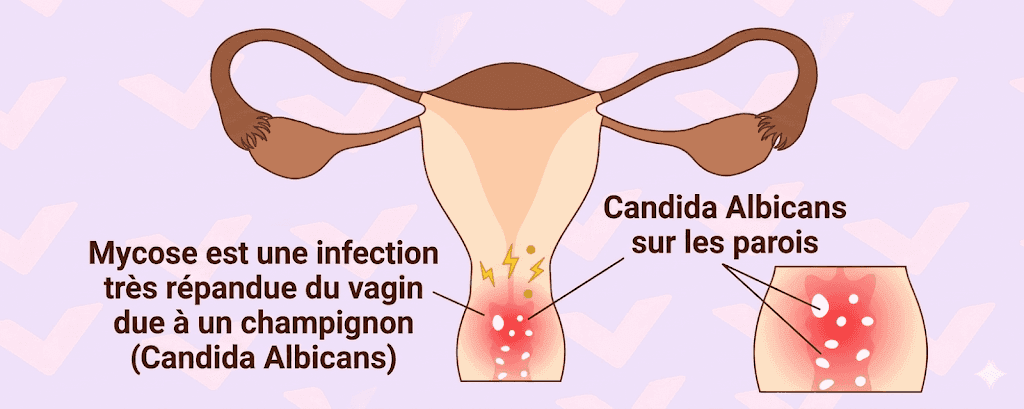
1. Vulvovaginal candidiasis (thrush)
Vulvovaginal candidiasis is one of the most common causes of vulval burning.
Candida albicans, a yeast naturally present in the vagina, multiplies when the balance is disrupted, after a course of antibiotics, in cases of prolonged stress, or excessive moisture.
How to recognise it: burning associated with intense itching and thick, white vaginal discharge, often compared to cottage cheese.
2. Bacterial vaginosis
Vaginosis is not an infection like thrush, it is an imbalance of the vaginal flora, with an overgrowth of anaerobic bacteria at the expense of lactobacilli.
How to recognise it: mild burning, grey or yellowish discharge with a characteristic fishy odour, more noticeable after sexual intercourse. It requires specific medical treatment; natural remedies alone are insufficient.
3. Vaginal dryness and vulval atrophy
A drop in oestrogen dries out the mucous membranes and thins the vulva. It is a frequently underestimated cause, particularly after childbirth, during breastfeeding, with certain contraceptive pills, or during menopause.
How to recognise it: chronic burning, worsened during or after sexual intercourse, without abnormal discharge or itching.
4. Contact irritation (allergy or intolerance)
The vulva is a mucous membrane; it reacts to everything it touches. Perfumed soap, wipes, scented panty liners, laundry detergent, lubricant, latex condoms: everyday irritants are numerous and often unsuspected.
How to recognise it: localised burning, appearing shortly after contact with a new or unusual product, without fever or abnormal discharge.
5. Burning after sexual intercourse
A lack of lubrication, micro-tears, a painful position, or a latex allergy can be enough to cause post-coital burning. It is common and often wrongly dismissed.
How to recognise it: burning appearing within minutes or hours following intercourse, without other associated symptoms. If it is systematic, vulvodynia should be considered.
6. STIs (Sexually Transmitted Infections)
Genital herpes, chlamydia, or gonorrhoea can manifest as vulval burning, sometimes with no other visible signs, making them difficult to identify without screening.
How to recognise it: burning accompanied by lesions, ulcers, painful groin lymph nodes, or urinary symptoms. STI screening is essential in the case of a new partner or doubt.
7. Vulvodynia
This is the least known cause, and often the last to be mentioned. Vulvodynia is chronic vulval pain with no identified infection, probably of neurological origin. It affects about 16% of women at some point in their lives.
How to recognise it: persistent burning or discomfort, often described as a "knife-like" or "burning on contact" sensation, with no visible abnormality upon examination. It requires specialist care.
Cause | Main symptoms | Suitable natural remedy |
|---|---|---|
Thrush (Candida) | Burning + itching + thick, clumpy discharge | Probiotics, bicarbonate (bath), coconut oil |
Bacterial vaginosis | Mild burning + smelly discharge | Oral probiotics (consult if persistent) |
Vaginal dryness | Burning after intercourse, dry mucous membranes | Calendula oil, aloe vera, coconut oil |
Contact irritation | Localised burning, no abnormal discharge | Remove the allergen, chamomile bath, aloe vera |
Post-coital micro-tears | Burning after intercourse, no discharge | Aloe vera, vegetable oil, pelvic rest |
STI | Burning + lesions / discharge | Compulsory consultation |
Vulvodynia | Chronic burning, no infection | Soothing baths, vegetable oils + medical follow-up |
Vulval burning: the best natural treatments according to the cause
Natural remedies have a real place in managing vulval burning, provided they are used at the right time, for the right cause.
They do not replace a medical diagnosis, but in mild cases or in addition to treatment, they can provide real and rapid relief.
Here are the seven most effective, with the details that make the difference.
1. Chamomile sitz bath
German chamomile (Matricaria chamomilla) contains two molecules with clinically documented anti-inflammatory properties, alpha-bisabolol and chamazulene, which act directly on irritated mucous membranes.
Prepare a concentrated infusion with 3 tea bags or 2 tablespoons of dried flowers in a litre of boiling water. Let it steep for 10 minutes, strain, and then pour into a clean basin once the water has cooled to lukewarm.
Sit comfortably for 10 to 15 minutes; the water must be lukewarm, never hot. Then dry the area by gently patting with a clean cotton towel.
Once or twice a day for three days, you should feel a noticeable difference.
2. Pure aloe vera gel
Aloe vera is one of the few natural remedies properly documented for irritation of the mucous membranes. Its polysaccharides form a protective film on the vulva, its mild antimicrobial properties curb fungal overgrowth, and its cooling effect is almost immediate.
Choose a certified organic gel, free of alcohol and perfume. Apply a thin layer to the outer vulva only, without rinsing.
It is ideally used after a sitz bath or after washing, two to three times a day.
It is the best-suited remedy for burning after intercourse and contact irritations.
3. Bicarbonate of soda (with precautions)
Bicarbonate temporarily alkalises the vulval pH, which can curb the multiplication of Candida albicans, which is naturally acidophilic.
Diluted, one teaspoon in a litre of lukewarm water, no more, it is used in a sitz bath for a maximum of ten minutes.
What you need to know before using it: the vagina is naturally acidic, with a pH between 3.8 and 4.5. Excessive or intra-vaginal use disrupts the Döderlein flora and can worsen vaginosis.
Two to three baths over a short period, only in case of suspected thrush, is the limit not to be exceeded.
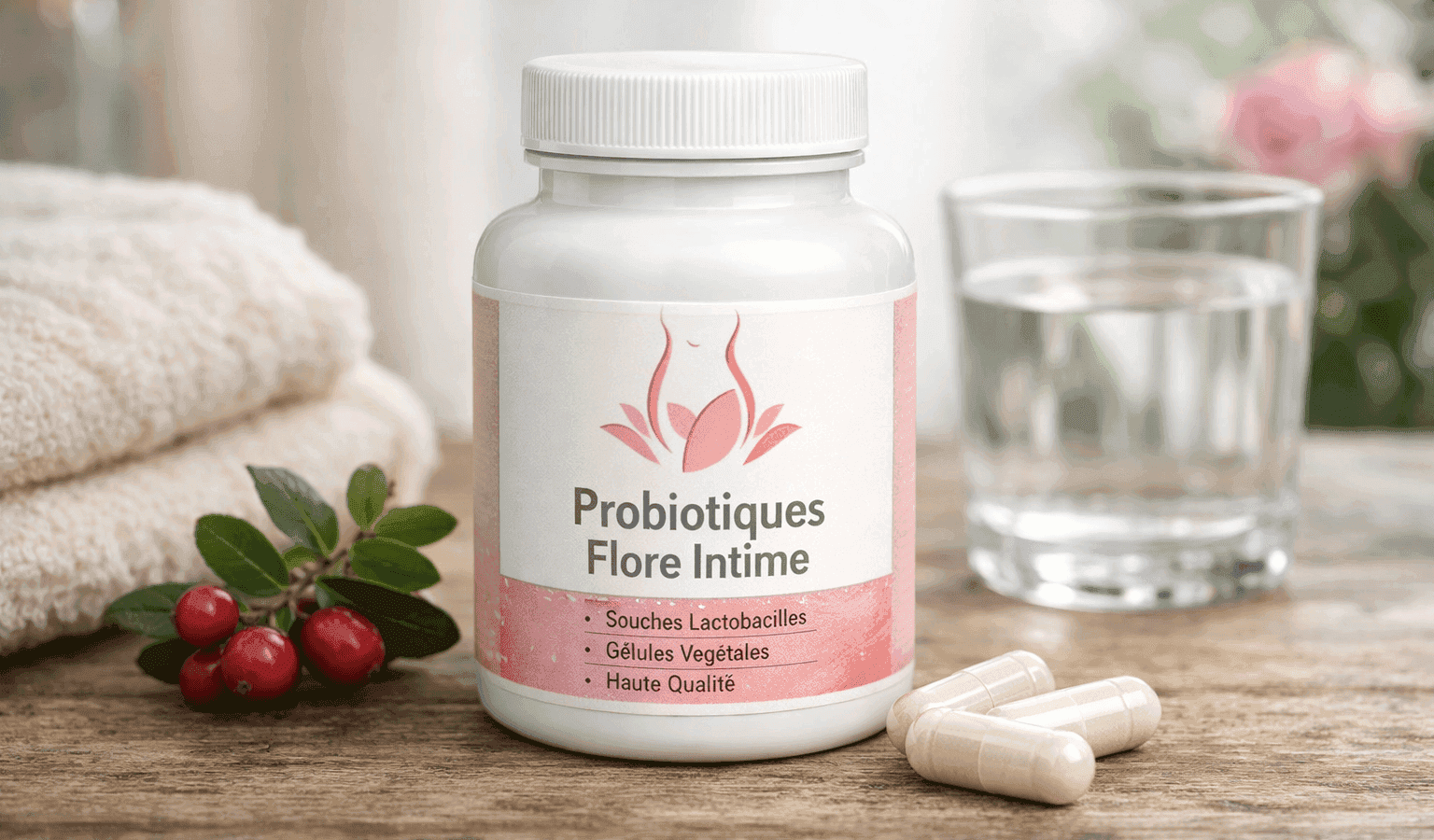
4. Oral probiotics
The vaginal flora is naturally populated by good bacteria, Lactobacillus, which maintain an acidic and protective environment.
In the event of thrush or vaginosis, this balance is disrupted: these bacteria decrease, and pathogens take over.
Oral probiotics help restore this balance. They act first on the gut microbiota, which communicates closely with the vaginal sphere, a link now well documented in scientific literature.
For a real effect on the vaginal flora, not all strains are created equal. Opt for probiotics containing Lactobacillus rhamnosus GR-1 and Lactobacillus reuteri RC-14, the two most studied strains in gynaecology.
Plan on a course of at least four weeks for a lasting effect; probiotics are not an emergency treatment, but a long-term tool to prevent relapses.
5. Soothing vegetable oils
Calendula oil is particularly suited for irritated, dry, or micro-damaged mucous membranes. Rich in flavonoids and triterpenes, it is anti-inflammatory, mildly healing, and very well tolerated by sensitive skin.
Virgin coconut oil has demonstrated in vitro antifungal activity against Candida albicans, thanks to its lauric acid. It is also emollient and forms a light protective barrier on the vulval skin.
In both cases, apply a few drops to the outer vulva after washing, massaging gently. An important precaution: these oils degrade latex and are therefore incompatible with latex condoms.
6. Changing hygiene habits
This is often both the cause and the solution, and it is the most underestimated point in consultations.
Use a soap with a slightly acidic pH, between 4.5 and 5.5, specifically formulated for the intimate area, fragrance-free and SLS-free. Wear cotton underwear — synthetic creates heat and moisture, two conditions that promote fungal growth.
Gently pat the area dry after washing, never rub. And if you can, sleep without knickers: airing the area at night makes a real difference in the long term.
Last rule, non-negotiable: never douche. It destroys the protective flora and worsens all existing imbalances.
Mistakes to avoid in case of vulval burning
Certain habits can worsen vulval burning or further unbalance the vaginal flora. Here are the main mistakes to avoid:
Applying pure essential oils: too irritating for the vulval mucosa, they can cause an even greater burning sensation.
Douching: it disrupts the protective vaginal flora and promotes thrush and vaginosis.
Using harsh or scented soaps: standard shower gels, scented wipes, and antiseptics often irritate the vulva.
Multiplying antifungal treatments without a diagnosis: vulval burning is not always thrush. Self-medication can mask the real cause.
Using bicarbonate internally: only as an external and occasional sitz bath. Vaginal use is advised against.
Wearing tight or synthetic clothing: heat, moisture, and friction promote irritation and thrush.
How to know if the burning comes from thrush or vaginosis?
This is the question all my patients ask me. Here is how to distinguish them clinically:
Criterion | Thrush (Candida) | Bacterial vaginosis |
|---|---|---|
Type of burning | Intense, with itching | Mild, more like discomfort |
Discharge | White, thick, clumpy ("cottage cheese") | Grey or yellow, watery |
Odour | None or slightly sweet | Strong, "fishy" especially after intercourse |
Itching | Yes, very marked | Rare |
Vaginal pH | Normal (< 4.5) | High (> 4.5) |
Natural remedies | Probiotics, bicarbonate, coconut oil | Probiotics ++ (and antibiotics if severe) |
Tip: Pharmacies sell vaginal pH tests (test strips for under £10). A pH > 4.5 points towards vaginosis rather than thrush. This guides the treatment.
Vulval burning: when natural remedies are not enough
Natural remedies work well for mild irritation and simple thrush.
But they have their limits, and ignoring them means risking letting an infection progress or treating the wrong problem for too long.
Consult your doctor, midwife, or gynaecologist if you recognise yourself in any of these situations:
The vulval burning persists for more than 72 hours despite natural care: this often indicates that the cause is different from what was assumed, or that it requires specific treatment.
Lesions, blisters, or sores appear on the vulva: these signs can suggest genital herpes, which requires a medical diagnosis (swab) and suitable treatment.
The discharge is yellow, green, or very smelly, with a fever or pelvic pain: this can indicate a deeper infection that requires prompt management.
The burning occurs during pregnancy: even apparently harmless thrush must be medically assessed, as not all treatments are compatible with pregnancy.
This is your third bout of thrush in six months: recurrences can be linked to underlying causes (diabetes, hormonal imbalance, weakened immunity) and require an assessment rather than simple over-the-counter antifungal treatment.
You have recently changed partners and the burning is accompanied by other symptoms: STI screening is recommended to exclude a sexually transmitted infection.
The vaginal burning becomes chronic (present for more than three months, even in episodes): it could be vulvodynia, a chronic pain that requires specific management, different from classic infections.
Frequently asked questions
Why does my vulva burn when there is no infection?
Vulvar burning without infection can be caused by irritation, vaginal dryness, friction or vulvodynia. Perfumed soaps, panty liners, sex or hormonal changes are often behind it. Contact irritation is particularly common. A consultation rules out a yeast infection, vaginosis or an STI if symptoms persist.
How do you quickly relieve intimate burning?
To relieve intimate burning quickly, start by avoiding irritants: harsh soap, sex, tight clothing or perfumed protection. A lukewarm sitz bath or pure aloe vera gel can help calm the discomfort. Apply only gentle care to the external vulva, and seek advice if the burning lasts more than a few days.
Which natural cream for vulvar irritation?
Alcohol-free aloe vera gel is one of the most widely used natural remedies for soothing mild vulvar irritation. Calendula oil can also help with dryness or friction. Avoid perfumed products, essential oils and antifungal creams without a medical diagnosis.
How do you calm a vulvar yeast infection naturally?
Some natural remedies can help relieve vulvar burning linked to a yeast infection, in particular oral probiotics, sitz baths with diluted bicarbonate, or virgin coconut oil applied externally. However, a confirmed yeast infection often needs a suitable antifungal treatment. Seek advice if this is your first infection or if symptoms keep returning.
Is burning after sex normal?
Mild occasional irritation after sex can happen, particularly with a lack of lubrication or friction. Frequent or systematic burning, on the other hand, is not normal. It can be linked to vaginal dryness, irritation, a latex allergy or an infection. Medical advice is worth seeking if it keeps happening.
Is bicarbonate of soda dangerous for the vulva?
Used occasionally in an external sitz bath and properly diluted, bicarbonate is generally well tolerated. It should never be used inside the vagina. Bicarbonate douches can disturb the vaginal flora and make irritation or bacterial vaginosis worse.
How do you tell a yeast infection from vaginosis?
A yeast infection mainly causes significant itching, thick white discharge and intense irritation. Vaginosis tends to produce thin discharge with a fishy odour. A vaginal pH test sold in pharmacies can help tell them apart, but only a medical examination can confirm the diagnosis.
Why does my vulva burn after exercise?
Heat, sweat and friction can cause vulvar irritation after exercise. Tight synthetic clothing also encourages moisture and yeast infections. Choose breathable underwear, change quickly after a workout, and avoid irritating products in the shower.
Written by
Yasmina Akni
SEO and press relations, Santelle
Yasmina is an SEO specialist at Santelle, with a degree in biotechnology for health.