

Symptoms
Lichen sclerosus of the vulva: symptoms, causes, and treatments

Zineb Sadki
Editorial writing, Santelle
If you have noticed itching, pain, or a change in the appearance of the skin around your vulva, it is completely normal to feel worried, or even to put off talking to a doctor about it.
These symptoms affect a very private area, and many women hesitate for a long time before seeking advice.
Vulvar lichen sclerosus is a long-term inflammatory skin condition that affects the vulva.
It typically causes itching, fragile skin, and a gradual whitening of the area.
Contrary to a common misconception, it is not a sexually transmitted infection, it is not contagious, and it is not caused by poor hygiene.
While lichen sclerosus can also affect men (typically on the foreskin and head of the penis), this article focuses specifically on vulvar lichen sclerosus, which affects women and, less commonly, young girls before puberty.
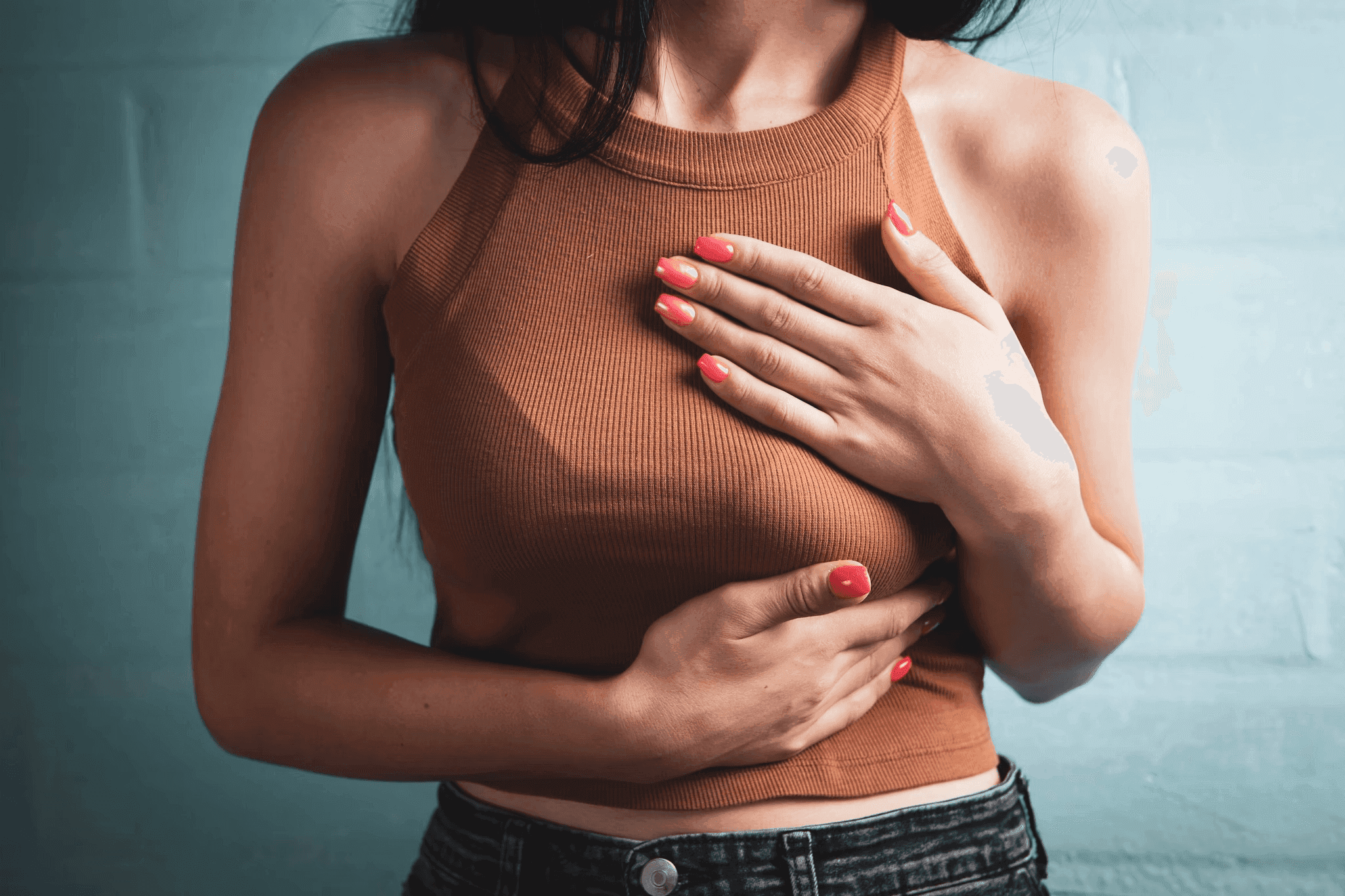
What is vulvar lichen sclerosus?
This vulvar lichen sclerosus is a long-term skin condition, likely linked to an overactive immune system, that goes through flare-ups followed by periods of remission.
The body's immune system mistakenly attacks the tissues of the vulva, causing inflammation. Over time, this makes the skin thin and stiff or hardened (sclerosis).
It mostly affects postmenopausal women between the ages of 50 and 60, but it can also develop in younger women and in girls before puberty.
This is an important point to note, as the belief that this condition only affects older women often delays diagnoses in younger patients.
It is estimated to affect around 1% of women, though this figure is likely underestimated. Many women delay consulting a doctor due to embarrassment or a lack of awareness about the condition, which leads to late diagnoses.
How do you get vulvar lichen sclerosus?
You do not "catch" it: vulvar lichen sclerosus is neither contagious nor sexually transmitted.
You cannot pass it to a partner, and you cannot get it from physical contact with someone who has it. This is a common myth that is important to clear up.
The exact causes are not yet fully understood by medical science, but several factors are linked to the condition:
An autoimmune link: Lichen sclerosus is more common in women who already have another autoimmune condition, such as a thyroid disorder, vitiligo, or patchy hair loss (alopecia areata).
Genetics: A family history of the condition can sometimes play a role.
Hormonal factors: The drop in estrogen levels may explain why the condition is more common after menopause.
Repeated local irritation: Friction or rubbing can trigger new patches on already fragile skin—a reaction known as the Koebner phenomenon.
Symptoms of vulvar lichen sclerosus to look out for
Symptoms of vulvar lichen sclerosus vary from woman to woman and depend on the stage of the condition.
You do not need to experience all of these symptoms to seek medical advice; even just one is a good reason to speak with a doctor.
Here are the main signs to look out for:
Intense itching
Often the first and most bothersome symptom, it affects the outer and inner lips of the vulva, and sometimes the clitoris. It is usually worse at night.
While scratching is hard to resist, it only worsens the irritation. It is best to speak with your doctor for relief.
Changes in skin appearance
This is the most defining sign but develops gradually: the skin becomes pale white, shiny, and thin, often looking like "tissue paper." The skin can also lose its natural elasticity.
Fragile skin
Because the skin is thin, it can easily tear, crack, or bruise after friction, washing, or sexual activity. While this can look alarming, it is a direct effect of the condition and can be managed once reported to your doctor.
Pain and burning
A persistent burning sensation on the vulva or a feeling of tight skin, pain when passing urine (which can easily be mistaken for a bladder infection), or pain during sex.
Changes in structure (advanced stages)
Without treatment, ongoing inflammation can cause the inner lips to shrink or fuse, cover the clitoris, or narrow the opening of the vagina.
These physical changes are highly preventable with early and proper treatment.
No symptoms at all
Lichen sclerosus can also be silent, especially at first. About one in three women experience no discomfort, and the condition is only spotted during a routine pelvic exam.
How is vulvar lichen sclerosus diagnosed?
Diagnosis is primarily based on a physical exam performed by a dermatologist or gynecologist who can recognize the characteristic look of the skin.
A biopsy (taking a small skin sample) is sometimes recommended to confirm the diagnosis, especially if the appearance is unusual or before starting long-term treatment. It also helps rule out other skin conditions.
It is very important not to self-diagnose or self-treat. Many vulvar conditions share similar symptoms (such as yeast infections, lichen planus, and other skin issues), and only a professional medical exam can pinpoint the correct cause.
Delayed diagnoses are very common, so please know you are not alone if you have put off seeing someone out of embarrassment.
This is a completely normal reaction, but starting treatment early makes management much simpler, more effective, and greatly reduces the risk of long-term skin changes.
Taking that first step to see a doctor is key to finding lasting relief.
Lichen sclerosus and vulvar cancer: what is the connection?
Untreated vulvar lichen sclerosus status is linked to a small but increased risk of developing a type of skin cancer called squamous cell carcinoma of the vulva.
This risk is the main reason why regular follow-up visits with your doctor are so important, even when you are not experiencing a flare-up. Regular checks make it easy to quickly spot any unusual changes (such as thickened, raised white patches that do not respond to treatment, or open sores) that might require a biopsy. Regular treatment and monitoring significantly lower this risk.
Can lichen sclerosus be cured?
Lichen sclerosus is a chronic (long-term) condition, and there is currently no permanent cure. While this might be disappointing to hear, the good news is that the condition can be managed very well with the right treatment plan.
With proper care, many women enjoy long periods of time without any symptoms, sometimes lasting years. However, without treatment, the condition can progress and lead to permanent structural changes to the vulva, which are much harder to manage later on.
This is why it is highly recommended to start treatment as soon as you are diagnosed, even if you do not feel much discomfort yet.
How to treat vulvar lichen sclerosus: proven options
First-line treatment: prescription steroid creams
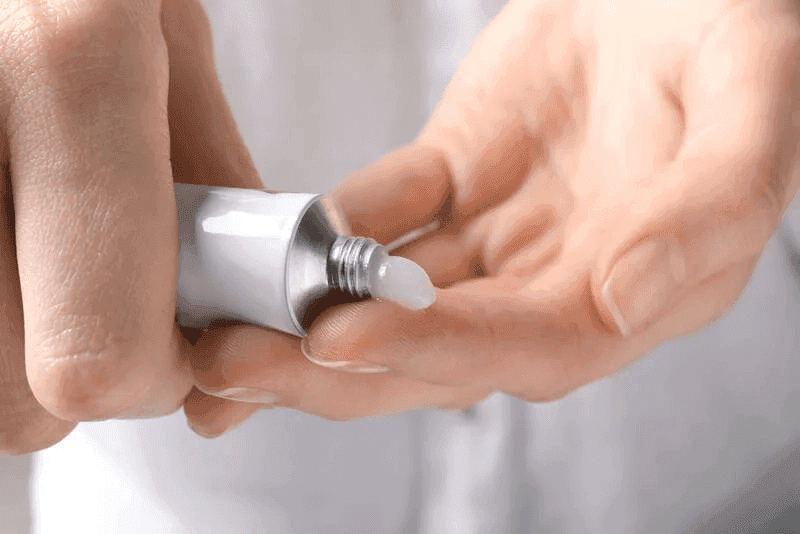
The standard and most effective treatment is a strong prescription steroid cream (such as clobetasol propionate). This is applied based on a schedule provided by your doctor, usually starting daily and gradually reducing the frequency over time.
Long-term maintenance care
Once the inflammation is under control and the skin is calm, a low-frequency maintenance routine is usually continued to prevent future flare-ups and stop the condition from worsening.
Daily self-care tips
Alongside medical treatment, practicing gentle skin care can help:
Apply plain moisturizers (emollients) to soothe and protect the skin barrier.
Avoid scented soaps, bubble baths, and harsh feminine hygiene products.
Wear loose-fitting, breathable cotton underwear and avoid tight pants or synthetic panty liners.
If standard treatment does not work
If steroid creams are not sufficient, your doctor may suggest other options, such as non-steroidal anti-inflammatory creams (calcineurin inhibitors) or, in rare cases of advanced physical scarring, surgical options.
An essential reminder: this treatment must be guided and monitored by a healthcare professional. Do not use leftover steroid creams without medical advice, and do not stop your treatment early just because your symptoms seem to have disappeared.
FAQ: Common questions about vulvar lichen sclerosus
Is vulvar lichen sclerosus contagious or sexually transmitted?
No. It is not an infection or an STI. You cannot give it to anyone else, and you cannot catch it from someone who has it.
Can I still have sex if I have vulvar lichen sclerosus?
Yes, in most cases, especially when the condition is well-managed with treatment.
If you experience pain during intercourse (dyspareunia) because of active inflammation or skin changes, do talk to your doctor. They can adjust your treatments or offer comfortable solutions.
Is vulvar lichen sclerosus hereditary?
While there can sometimes be a family link or genetic predisposition, it is not always passed down. Having a relative with the condition does not mean you will definitely get it.
Can children get vulvar lichen sclerosus?
Yes, it can develop in young girls before puberty, although it is much more common after menopause.
In children, the symptoms can sometimes be missed or mistaken for other issues, so it is important to have any persistent itching or pale spots checked by a pediatrician.
Should I stop using my treatment once the symptoms go away?
No, this is a common mistake. After the initial daily treatment calms the skin, a less frequent maintenance plan is vital to prevent flare-ups and protect the skin from damage you might not feel yet.
Is vulvar lichen sclerosus dangerous? Can it lead to cancer?
Lichen sclerosus itself is not cancer. However, if left untreated, it does carry a small risk of developing into vulvar cancer over time. This is why proper treatment and regular check-ups with your doctor are highly recommended.
Is there a link between lichen sclerosus and menopause?
Yes, the condition is most commonly diagnosed after menopause, likely because drops in estrogen levels affect the skin. However, it can occur at any age, including in younger women.
Can I prevent lichen sclerosus flare-ups?
While you cannot completely prevent every flare-up, you can significantly reduce details by keeping the area moisturized, avoiding scented washes, avoiding tight clothing, and sticks to your doctor's prescribed maintenance routine.
Frequently asked questions
Is vulval lichen contagious or sexually transmissible?
No. It is neither an infection nor an STI. You cannot pass it to a partner, nor catch it from contact with someone who has it.
Can you carry on having sex with vulval lichen?
Yes, in the vast majority of cases, especially when the condition is well controlled by treatment. Pain (dyspareunia) can occur during a flare-up or from anatomical scarring; do not hesitate to talk to your doctor, who can adjust the treatment or suggest additional solutions.
Is vulval lichen hereditary?
A genetic predisposition and a family history are sometimes found, but not systematically. Having vulval lichen in your family does not mean you will develop it yourself.
Does vulval lichen also affect children?
Yes, it can appear in girls before puberty, even though the condition is more common after menopause. In children the diagnosis is sometimes harder to consider, which is why it is important to seek advice if in doubt (itching, white patches).
Should you stop treatment as soon as symptoms disappear?
No, this is a common mistake. The initial course is followed by a maintenance treatment at a lower frequency, decided by the doctor, to prevent relapses and limit the risk of the condition progressing silently.
Is vulval lichen dangerous? Can it become cancer?
Vulval lichen itself is not cancer. It is, however, associated with an increased though minority risk of squamous cell carcinoma of the vulva if left untreated, which is why a properly followed treatment and regular medical monitoring matter.
Is there a link between vulval lichen and menopause?
Yes, the condition is more common after menopause, probably linked to falling oestrogen. It can nevertheless occur at any age, including in young women.
Can flare-ups of vulval lichen be prevented?
Flare-ups cannot be prevented entirely, but some measures help limit irritation: avoiding perfumed soaps, clothing that is too tight and synthetic panty liners, using emollients regularly, and following the prescribed maintenance treatment.
Written by
Zineb Sadki
Editorial writing, Santelle
Zineb is a writer at Santelle and covers intimate health and the vaginal microbiome.


