

Vaginal yeast infections
Vaginal thrush before your period: why does it appear and what can you do?

Yasmina Akni
SEO and press relations, Santelle
A yeast infection before your period is a discomfort that many women experience without daring to talk about it.
Itching, thicker discharge, a feeling of irritation: these signs often appear in the days leading up to menstruation, when the body undergoes significant hormonal fluctuations.
In the majority of cases, this phenomenon is easily explained and easily treated.
However, it is useful to know how to recognise it, differentiate it from normal premenstrual discharge, and know when to seek medical advice.
Why do you get a yeast infection just before your period?
The period leading up to menstruation, known as the premenstrual phase, is a time when the balance of the vaginal microbiome is particularly sensitive.
Several mechanisms explain why thrush is more likely to occur at this point in the cycle.
Hormonal fluctuations in the luteal phase
In the days before your period, progesterone levels peak before dropping sharply, while oestrogen levels also decrease.
These fluctuations alter the composition of glycogen in the vaginal mucous membranes, a substance that the Candida albicans fungus thrives on.
An unstable hormonal environment therefore becomes a more favourable breeding ground for its proliferation.
A temporarily altered vaginal pH
The vaginal pH, which is normally acidic thanks to lactobacilli (the Döderlein flora), can vary slightly at the end of the cycle.
This change, even if minimal, is sometimes enough to disrupt the protective balance and allow the fungus to grow more easily.
Moisture and chafing linked to period products
As your period approaches, wearing panty liners or early protection, combined with sometimes heavier sweating, creates a warm and humid environment.
Moisture is a well-known aggravating factor for vulvovaginal yeast infections.

A drop in local immunity
Some women report fatigue or a general drop in resistance during the premenstrual period, linked to Premenstrual Syndrome (PMS).
This drop can, in some cases, temporarily weaken the vagina's local defences.
Yeast infection or simple premenstrual discharge: how to tell the difference?
Before your period, vaginal discharge evolves naturally: it can become heavier and creamier without being a sign of a problem.
The difficulty lies precisely in distinguishing between what is part of the normal cycle and what is a genuine yeast infection.
If only the discharge changes, without itching or irritation, it is usually a physiological variation of the cycle.
On the other hand, as soon as vulval itching, redness, or a burning sensation are added, the likelihood of a yeast infection increases.
Symptoms of a vaginal yeast infection to recognise
A yeast infection, caused by the proliferation of the Candida albicans fungus, generally manifests through several signs that can appear individually or together:
persistent, sometimes intense vulval itching
thick, white, odourless discharge
a burning sensation, particularly when urinating or during intercourse
redness and swelling of the vulva
general discomfort in the intimate area
These symptoms may intensify just before your period and then subside once menstruation begins, as menstrual flow alters the vaginal pH once again.
Yeast infection before your period: what to do?
Faced with these symptoms, several habits can help limit discomfort while waiting for medical advice, if needed.
Adapting daily intimate hygiene
Opt for a gentle intimate wash with a physiological pH once a day: washing too frequently or using harsh products further weakens the vaginal flora.
Avoid douching, which removes the natural protective film.

Limit moisture and friction
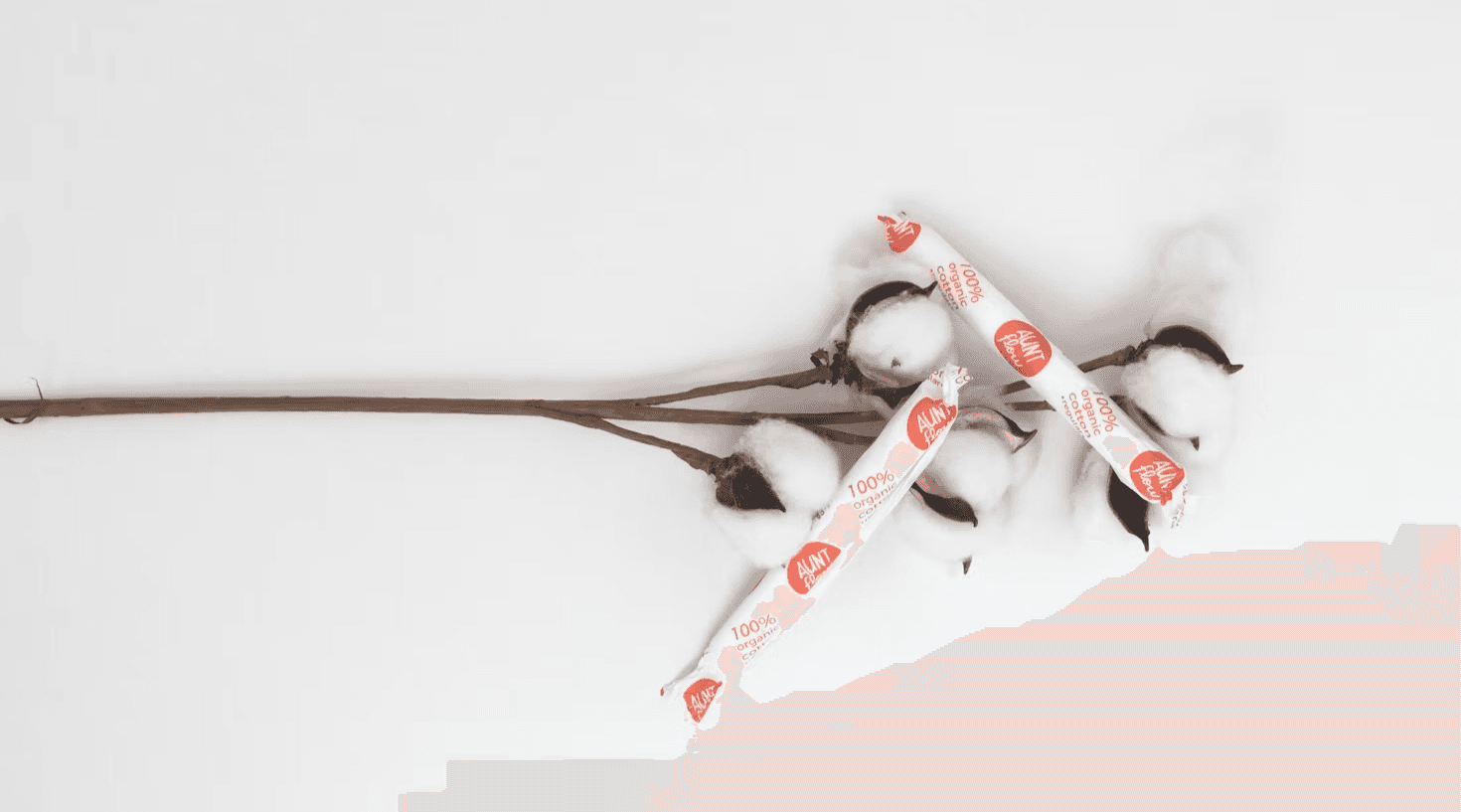
Choose cotton underwear, avoid tight clothing, and change your period products regularly to reduce moisture retention, a recognised aggravating factor.
Use a suitable antifungal treatment
If you have symptoms suggestive of a yeast infection, an antifungal treatment applied locally (pessary, cream) available in pharmacies, sometimes over-the-counter, generally helps relieve symptoms within a few days.
A pharmacist can guide you to the most suitable treatment.
Consult in case of doubt or recurrence
Medical advice is recommended if symptoms persist for more than a week, return with each cycle, or if you are not sure whether it is a yeast infection or another vaginal infection, such as bacterial vaginosis, which requires completely different treatments.
How to avoid recurring yeast infections before your period?
When this occurs with every cycle, a few simple habits can help restore a more lasting balance:
choose underwear made of natural fibres, changed daily
avoid excess sugar at the end of the cycle, a factor that can promote the proliferation of Candida
limit synthetic or scented period products
avoid repeated self-medication without confirmation, which can mask another cause
monitor the appearance of symptoms from one cycle to the next to identify any recurring pattern
How to confirm the cause of your symptoms?
The symptoms of a yeast infection and those of other vaginal imbalances, like bacterial vaginosis, can sometimes look similar even though their treatments are very different.
Relying solely on observing your discharge leads to incorrect self-diagnosis in nearly half of all cases.
A vaginal test performed at home provides a reliable initial indication, in addition to medical advice if necessary.

It is with this in mind that the Santelle vaginal test was designed: by analysing several biomarkers, including vaginal pH, it helps you better understand what is happening before deciding if you need to consult a doctor.
Frequently asked questions
Is it normal to have vulval itching before a period?
Slight variations in sensation are possible during the premenstrual period, but marked vulval itching, associated with thick discharge or redness, is not trivial and most often suggests a yeast infection rather than a simple effect of the cycle.
Can a yeast infection delay your period?
No. A vaginal yeast infection remains localised to the vagina and vulva; it does not affect the hormonal system responsible for triggering periods.
A delayed period associated with a yeast infection therefore generally has another cause, to be explored if necessary with a healthcare professional.
How can you quickly relieve thrush before your period?
A local antifungal treatment available in pharmacies, combined with gentle intimate hygiene and cotton underwear, usually helps to relieve symptoms within a few days.
If symptoms persist or return with each cycle, medical advice is recommended.
Does the yeast infection clear up automatically with the arrival of your period?
In some women, menstrual flow alters the vaginal pH and can alleviate symptoms.
However, this is not always the case, and an untreated yeast infection can persist beyond the period: it is best not to rely solely on this phenomenon to heal.
Written by
Yasmina Akni
SEO and press relations, Santelle
Yasmina is an SEO specialist at Santelle, with a degree in biotechnology for health.