

Hygiene and prevention
10 tips for vaginal health

Roxanne Sabbag
Co-founder and biomedical engineer, Santelle
It is often easier to talk about your skin, sleep, or diet than your vaginal health.
Yet, it is just another part of your overall well-being: nothing to be ashamed of or keep secret, just something we do not always know enough about.
Your vaginal health is about more than just avoiding yeast infections or irritation; it is a delicate balance that deserves a little regular attention, just like the rest of your body.
Here are 10 practical tips to take care of it week after week—and, spoiler alert, getting to know your body better is a big part of the process.
1. Keep your intimate hygiene gentle (avoid harsh products)
The vagina is self-cleaning and does not need internal washing.
Practicing proper intimate hygiene is mostly about knowing what to avoid: for the vulva (the external area), a gentle, fragrance-free cleanser with a suitable pH is more than enough.
There is no need for regular shower gels, scented soaps, or vaginal douches; these products often do more harm than good by disrupting the natural balance of the area.
2. Choose cotton underwear
Cotton allows the skin to breathe, unlike synthetic materials which trap moisture and can lead to irritation.
One study (Hamlin et al.) showed that wearing underwear without a cotton crotch doubled the risk of yeast infections compared to wearing cotton underwear.
If you are prone to discomfort or recurring yeast infections, switching your underwear is often one of the first and easiest habits to change.
It is a small adjustment, but it makes a big difference over time, especially if you frequently experience discomfort.

3. Respect the natural balance of your vaginal ecosystem
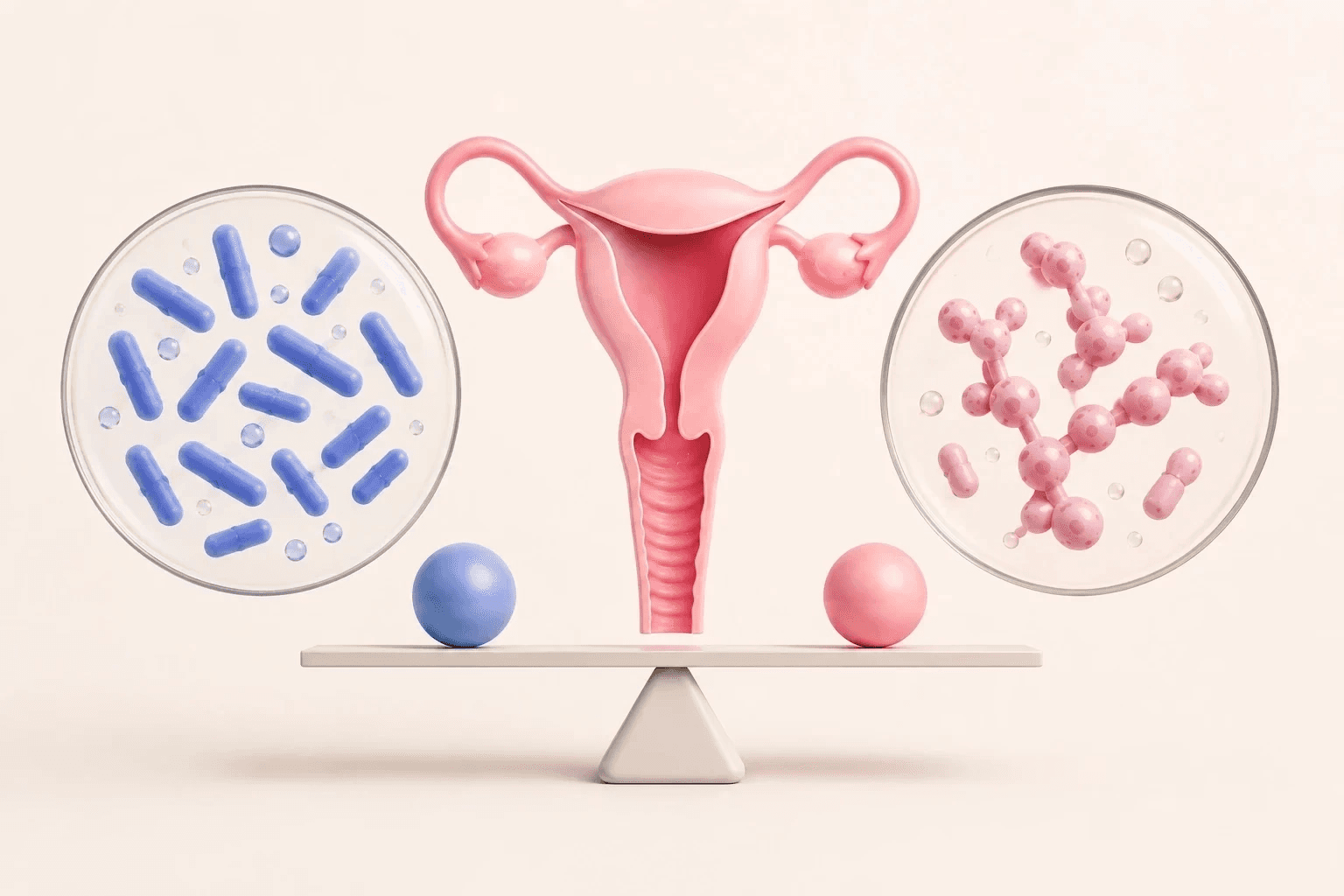
Your vagina is home to a community of helpful bacteria, often called Döderlein's flora, which is mostly made up of lactobacilli.
These protective bacteria maintain a healthy, slightly acidic environment that prevents unwanted yeast and harmful bacteria from taking over.
When this balance is disrupted, you are more likely to experience discomfort, such as itching, unusual odors, or changes in discharge.
The good news is that these friendly bacteria can rebuild their numbers naturally once you stop disturbing them. Gentle washing and breathable underwear are usually all it takes to let them do their job.
4. Pay attention to what you eat and drink
What you eat directly impacts your intimate health.
A diet very high in sugar can encourage the growth of yeast, while fermented foods like yogurt or kefir provide helpful, friendly bacteria (probiotics).
And of course, staying well-hydrated helps keep all the tissues in your body healthy, including your vaginal lining.
5. Avoid unnecessary antibiotics
Antibiotics cannot tell the difference between good and bad bacteria. While they clear up the bacteria causing an illness, they can also weaken your vaginal defense system, which is why many women get yeast infections after finishing a course of antibiotics.
This is not a reason to skip prescribed medication, but it is a good reminder to only take antibiotics when necessary and under medical advice.
6. Practice healthy habits after sex
Urinating within 15 to 30 minutes after sex is a simple habit to keep, even though its protective effect against urinary tract infections (UTIs) is not as absolute as people often say.
Rinsing the vulva with plain water afterward is plenty if you feel the need.
When it comes to period products, changing them every 4 to 8 hours helps maintain good hygiene and prevents moisture build-up.
7. Pay attention to your body's signals
Your vaginal discharge changes naturally throughout your monthly cycle—this is completely normal. What is not normal is a sudden change in texture, color, or smell, especially if it comes with itching or irritation.
Learning to tell the difference between your normal cycle changes and something unusual is a huge step in taking care of yourself.
8. Manage your stress levels
Stress affects your immune system and hormones, and your intimate health is no exception. It can trigger external irritation (of the vulva) or temporarily upset the balance of your friendly bacteria.
While this link is indirect and still being studied, the overall connection between stress, a weakened immune system, and increased vulnerability to infections is well-known.
Stress can also cause external itching and irritation or temporarily disrupt your natural bacterial balance.
Taking care of your mental well-being is never waste of time—it is a vital part of caring for your physical health as well.

9. Get regular check-ups, even if you feel fine
Many minor imbalances, early-stage yeast infections, or changes in your bacterial community do not cause obvious symptoms right away.
That is why checking in on your intimate health should not just be something you do when "something feels wrong."
Concretely, tracking your balance can be done through a few simple steps:
Note any changes, even small ones: a different texture in your discharge, an odor that lasts more than a few days, or mild but frequent discomfort.
Track changes with your cycle: discharge naturally changes between ovulation and your period, so the same symptom might mean different things depending on the time of month. Knowing where you are in your cycle helps you tell a normal change apart from an issue.
Make it a routine rather than waiting for discomfort to remind you: checking in once a month is a good habit for most women, or more often if you get recurring infections, or after events that can disrupt your balance (like taking antibiotics, changing birth control, or starting a relationship with a new partner).
See your healthcare provider once or twice a year, even without symptoms, to get a professional medical opinion alongside your own tracking.
An imbalance caught early is almost always much easier to manage than an infection that has been building up for weeks.
10. Test your vaginal health at home with Santelle
Another great way to take control of your intimate health is by using at-home screening tests for regular tracking.
The Santelle test lets you check the state of your vaginal environment directly from the comfort of home.
In practice, the self-test analyzes 6 clinically validated indicators using a simple swab, which is painless and guided step-by-step by the app.
Once you apply the sample to the test card, you enter your results into the app, which gives you an easy-to-understand breakdown of your vaginal balance and lets you know if you should see a doctor.
This test is not just for when you have an infection: it is designed for women who experience recurring issues, as well as those who simply want to monitor their vaginal health month-by-month. It is highly useful whether you are curious, planning a pregnancy, or have recently taken antibiotics that might have impacted your friendly bacteria.
The test is CE-certified (IVDR), designed in Switzerland, and supervised by a panel of women's health experts, including gynecologists, molecular biologists, and sexual health specialists.
While it is not a replacement for a formal medical diagnosis, it is an accessible way to better understand your body and know when it is time to seek professional medical advice.

FAQ: Your vaginal health questions answered
Is it normal to have vaginal discharge every day?
Yes, in almost all cases. Vaginal discharge is a healthy and normal sign that your body is naturally cleaning itself, and the amount and texture will change depending on your cycle.
You only need to worry if there is a sudden change in smell, color, or consistency, not because of the discharge itself.
How often should I see a gynecologist or healthcare provider?
If you do not have any specific symptoms, a yearly check-up is generally recommended, though this can vary based on your age, health history, and individual needs.
Never hesitate to book an appointment earlier if you have any doubts or concerns, even minor ones.
Can stress really cause a vaginal imbalance?
Yes, indirectly. Long-term stress impacts your hormones and immune system, which can make it easier for your healthy vaginal bacteria to be disrupted, potentially leading to irritation or recurring yeast infections.
Does an at-home test like Santelle replace a doctor's visit?
No. It is a helpful tool for tracking and learning about your body's natural balance, but it does not provide a formal medical diagnosis.
If you have persistent symptoms, seeing a licensed healthcare professional is always necessary.
How do I know if my vaginal bacteria are out of balance?
The most common signs include itching, unusual odors, or a noticeable change in the appearance of your discharge.
However, an imbalance can sometimes have no symptoms at all, which is why regular tracking is so helpful instead of waiting for discomfort to strike.
Frequently asked questions
Is it normal to have vaginal discharge every day?
Yes, in the vast majority of cases. Vaginal discharge (leucorrhoea) is part of how the vagina normally works, and varies in quantity and texture depending on where you are in your cycle. It is a sudden change in odour, colour or consistency that should get your attention, not its presence in itself.
How often should you see a gynaecologist?
With no particular symptoms, an annual gynaecological check-up is generally recommended, but this can vary with your age, your history and your situation. Do not hesitate to go sooner if you have any doubt, however slight.
Can stress really unbalance the vaginal flora?
Yes, indirectly. Chronic stress affects the immune and hormonal systems, which can weaken the balance of the flora and encourage irritation or repeated yeast infections.
Does a test like Santelle replace a medical consultation?
No. It is a monitoring and awareness tool that helps you get to know your own intimate balance better, but it does not make a diagnosis. If a symptom persists, seeing a health professional remains essential.
How do you know if your vaginal flora is unbalanced?
The most common signs are itching, an unusual odour, or discharge that clearly changes in appearance. But an imbalance can also be silent, which is why regular monitoring beats waiting for symptoms.
Written by
Roxanne Sabbag
Co-founder and biomedical engineer, Santelle
Roxanne co-founded Santelle and is a biomedical engineer specialising in vaginal health.